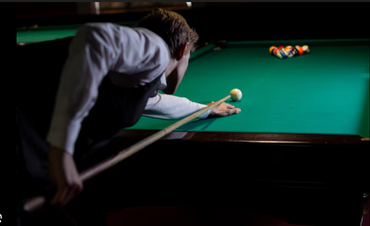
Cue sports are precision-based indoor games played on a cloth-covered table using a cue stick and balls. These games are enjoyed both recreationally and professionally across the world. While they may look similar at first glance, cue sports vary significantly in rules, equipment, and gameplay. This article offers Cue Sports Explained: Types of Billiards, Pool & Snooker, providing a clear understanding of each format and how they differ.
What Are Cue Sports?
Cue sports are games where players use a cue stick to strike balls on a rectangular table, aiming to score points according to specific rules. The outcome depends on accuracy, strategy, and control rather than physical strength.
Cue sports are played globally in homes, clubs, tournaments, and professional leagues. The most popular cue sports include billiards, pool, and snooker, each with its own distinct structure.
Understanding Billiards
What Is Billiards?
Billiards, also known as carom billiards, is one of the oldest cue sports. It is played on a table without pockets, using only three balls—one red ball and two cue balls.
The objective is to score points by striking both the opponent’s ball and the red ball with the cue ball in a single shot.
Key Features of Billiards
- No pockets on the table
- Played with three balls
- Focuses on precision and angles
- Popular in Europe and parts of Asia
Billiards is considered technically demanding and is often played at a professional or competitive level.
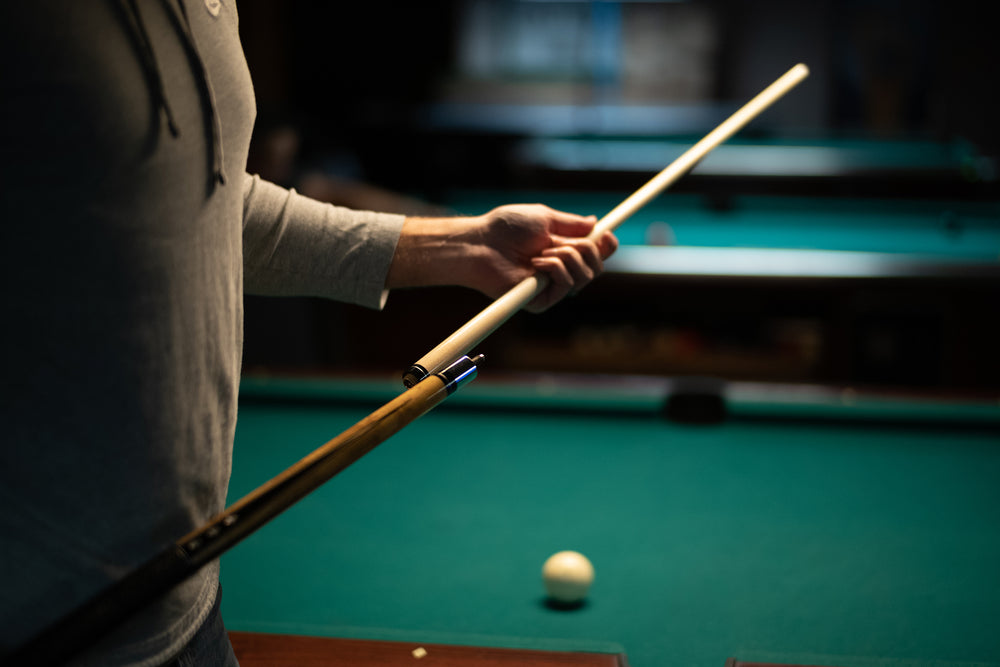
Pool – The Most Popular Cue Sport
What Is Pool?
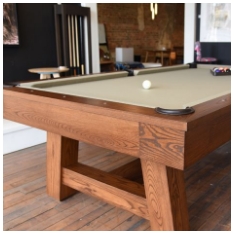
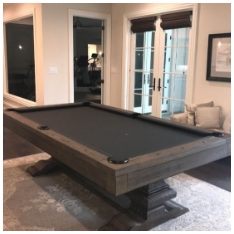
Pool is the most widely played cue sport worldwide. It is played on a pocketed table with 15 colored balls and one white cue ball. Pool is common in recreational spaces such as clubs, bars, and homes.
Common Types of Pool Games
Eight-Ball Pool
Players are assigned either solid or striped balls and must pot all their assigned balls before potting the black 8 ball.
Nine-Ball Pool
Only balls numbered 1 to 9 are used. Players must strike the lowest-numbered ball first, with the goal of potting the 9 ball legally.
Straight Pool
Players score points by potting any ball, aiming for a set number of points.
Key Features of Pool
- Smaller table compared to snooker
- Six pockets
- Faster gameplay
- Widely played at amateur and professional levels
Pool is known for its accessibility and is often the entry point for beginners in cue sports.
Snooker – A Game of Strategy and Endurance
What Is Snooker?
Snooker is a highly structured cue sport played on a large table with six pockets, using 22 balls 15 red balls, 6 colored balls, and one white cue ball.
The goal is to score points by potting balls in a fixed order, alternating between red and colored balls.
Snooker Rules Overview
- Red balls score 1 point each
- Colored balls score between 2 and 7 points
- Players must follow a strict potting sequence
- Frames are won by accumulating the highest score
Key Features of Snooker
- Largest table among cue sports
- Smaller pockets for higher difficulty
- Emphasis on long-term strategy
- Strong professional circuit and global tournaments
Snooker demands concentration, shot planning, and mental discipline, making it one of the most challenging cue sports.
Equipment Used in Cue Sports
Although similar, equipment varies slightly across cue sports.
Cue Stick
Cues differ in length and tip size depending on the game.
Balls
Ball size, weight, and color vary for billiards, pool, and snooker.
Table
Table dimensions, pocket size, and cloth type influence gameplay significantly.
Why Cue Sports Remain Popular
Cue sports are popular because they combine skill, patience, and enjoyment. They suit players of all ages and can be played casually or competitively. The structured nature of these games also makes them ideal for professional tournaments.
Conclusion
Cue sports offer a diverse range of gameplay experiences, from the technical precision of billiards to the fast-paced action of pool and the strategic depth of snooker. This guide on Cue Sports Explained: Types of Billiards, Pool & Snooker highlights how each game stands apart while sharing common foundations.
Understanding these differences helps players choose the game that best matches their interests and skill level, while also deepening appreciation for this timeless category of indoor sports.