Selecting the right pool cue plays an important role in how consistently and comfortably you play. Whether you are a casual home player or someone who practices regularly, the cue you use directly affects accuracy, control, and confidence at the table. Understanding cue styles, materials, and performance features makes it easier to choose a cue that matches your playing needs. This article focuses on Choosing the Perfect Pool Cue: A Guide to Styles and Benefits to help players make informed decisions.
Why the Right Pool Cue Matters
A pool cue is more than a simple stick used to strike the cue ball. Its construction, balance, and tip quality influence how the cue ball reacts after contact. A poorly matched cue can lead to inconsistent shots, reduced spin control, and player fatigue.
Choosing a cue suited to your height, grip style, and skill level improves shot accuracy and provides better feedback during play. Over time, a well-chosen cue also supports skill development and consistent performance.
Understanding Pool Cue Types
Different cue types are designed to support specific playing needs. Knowing these variations helps narrow down suitable options.
One-Piece Pool Cues
One-piece cues are commonly found in pool halls and home game rooms. They are usually made from solid wood and offer basic functionality.

Benefits of one-piece cues:
- Durable and stable
- Affordable for casual play
- Minimal maintenance
However, they lack portability and customization options.
Two-Piece Pool Cues
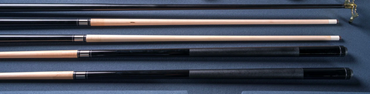
Two-piece cues are popular among regular players. They can be easily transported and often feature improved balance and joint quality.
Advantages include:
- Easier storage and travel
- Better construction consistency
- Wider range of styles and finishes
Two-piece cues are suitable for players seeking improved control and comfort.
Pool Cue Materials and Construction
The material used in a pool cue directly affects its feel and performance.
Shaft Materials
Most pool cues feature maple shafts, known for their smooth texture and reliable feedback. Some players prefer low-deflection shafts, which reduce cue ball deviation during spin shots.
Common shaft materials include:
- Maple wood for traditional feel
- Engineered wood for consistency
- Composite blends for reduced deflection
Cue Butt Materials
The cue butt determines balance and weight distribution. Common materials include hardwood, fiberglass, and layered wood designs. Decorative inlays do not affect performance but add visual appeal.
Choosing the Right Cue Weight and Length
Cue weight and length should align with your physical build and playing style.
Cue Weight
Standard cue weights range from 18 to 21 ounces. Lighter cues allow quicker strokes, while heavier cues provide more force with less effort.
- Lighter cues suit players with smoother strokes
- Heavier cues benefit players who prefer controlled power
Cue Length
Most cues measure around 58 inches. Taller players or those with longer reach may benefit from slightly longer cues for improved comfort.
Importance of the Cue Tip
The cue tip is the only part of the cue that contacts the ball, making it a critical component.
Tip Hardness
- Soft tips provide better spin control
- Medium tips balance control and durability
- Hard tips offer precise contact and less maintenance
Choosing the right tip depends on how often you play and your preferred shot style.
Grip and Balance Considerations
A comfortable grip improves shot stability and reduces hand strain. Linen, leather, and wrap-less designs each offer different textures and control levels.
Balance is equally important. A well-balanced cue feels natural during strokes and helps maintain consistent form. Testing balance by holding the cue at its midpoint can help assess comfort.

Benefits of Selecting the Right Pool Cue
When focusing on Choosing the Perfect Pool Cue: A Guide to Styles and Benefits, players gain several advantages:
- Improved shot accuracy
- Better cue ball control
- Reduced fatigue during long sessions
- Greater confidence at the table
- Long-term playing comfort
These benefits contribute to steady improvement and enjoyable gameplay.
How to Choose the Best Cue for Your Skill Level
Beginners
Beginners should focus on durability, comfort, and balanced weight. Simple two-piece cues with medium tips are ideal for learning fundamentals.
Intermediate Players
Intermediate players benefit from cues offering better shaft quality and customizable weights. These cues support improved spin and shot accuracy.
Advanced Players
Experienced players often prefer cues tailored to their exact playing style. Features like low-deflection shafts and premium tips provide refined control.
Final Thoughts
Selecting a pool cue is a personal decision that depends on comfort, playing style, and experience level. By understanding cue types, materials, weight options, and performance features, players can confidently choose a cue that supports their game. This guide on Choosing the Perfect Pool Cue A Guide to Styles and Benefits provides a clear framework for making the right choice, ensuring long-term satisfaction and consistent performance at the pool table.