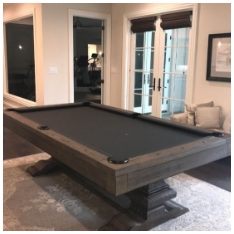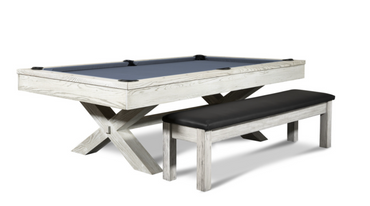
Billiards is a game that combines precision, patience, and skill. Whether played at a competitive level or enjoyed casually at home, the quality of the table plays a key role in the overall experience. Choosing the right option requires understanding how different tables serve different players. This guide explains what to look for when selecting Billiard Tables for Professionals and Kids, helping you make an informed and long-lasting investment.
Understanding Different Player Needs
Not all billiard players have the same requirements. Professionals demand accuracy and consistency, while kids need safety, accessibility, and ease of use. The ideal table balances construction quality with player comfort, depending on who will be using it most.
Why Table Selection Matters
A poorly suited table can affect gameplay, learning, and enjoyment. For professionals, even minor flaws in leveling or cloth quality can impact performance. For kids, oversized or unstable tables can discourage practice or pose safety risks. Choosing the right table ensures better skill development and long-term satisfaction.
Key Features of Professional Billiard Tables
Professional-grade billiard tables are designed for precision and durability. These tables are commonly used in tournaments, clubs, and training facilities.
Slate Bed Construction
A professional table typically features a solid slate bed. Slate provides a smooth and level playing surface, allowing the balls to roll accurately. This feature is essential for competitive play and advanced skill development.
Table Size and Dimensions
Standard professional tables range from 8 to 9 feet in length. The size allows for advanced shot techniques and strategic positioning. When choosing a table for serious players, room size should also be considered to allow proper cue movement.
Cloth and Cushion Quality
High-quality cloth ensures consistent ball speed and reduced friction. Professional cushions are designed to offer predictable rebounds, which is critical for competitive play. These details are what separate professional tables from recreational ones.

Billiard Tables Designed for Kids
Tables for kids focus on accessibility, safety, and learning. They introduce young players to the fundamentals of billiards without overwhelming them.
Smaller Table Sizes
Kids’ billiard tables are typically between 3 and 6 feet. The reduced size allows children to reach shots comfortably and improves control. Smaller tables also fit well in family rooms or play areas.
Lightweight and Safe Materials
Unlike slate tables, kids’ tables often use wood or composite beds. These materials reduce weight and make the table easier to move. Rounded corners and reinforced legs add extra safety for younger players.
Simplified Gameplay
Many tables designed for kids come with lighter cues and smaller balls. These features help beginners focus on technique rather than struggling with equipment meant for adults.
Choosing a Table for Mixed Use
Many households look for a single table that works for both adults and children. In such cases, versatility becomes important.
Adjustable and Mid-Size Tables
Mid-size tables, usually around 6 to 7 feet, can serve both beginners and experienced players. Some models include adjustable legs, allowing the table height to be modified for kids or adults.
Durability Without Complexity
For mixed use, the table should be sturdy but not overly complex to maintain. A non-slate table with quality cushions and cloth can offer a balanced experience for casual adult play and skill development for kids.
This is where Billiard Tables for Professionals and Kids truly stand out, as they combine performance features with user-friendly design.
Space and Room Considerations
Before purchasing any billiard table, room size should be carefully measured.
Clearance for Cue Movement
Adequate space around the table ensures comfortable gameplay. Professional tables require more clearance, while smaller tables for kids can fit into compact spaces.
Flooring and Stability
A stable floor is essential for proper leveling. Heavier tables may require reinforced flooring, while lighter tables offer more flexibility in placement.
Maintenance and Long-Term Use
Proper care extends the life of a billiard table, regardless of who uses it.
Routine Cleaning
Brushing the cloth regularly and keeping the table covered when not in use prevents dust buildup and wear.
Periodic Inspection
Checking cushions, legs, and leveling ensures consistent performance. This is especially important for tables used by both professionals and kids, as frequent play can cause gradual misalignment.
Final Thoughts
Selecting the right billiard table depends on understanding who will be using it and how often. Professionals require precision, stability, and standard dimensions, while kids benefit from smaller, safer, and more accessible designs. For families or shared spaces, a versatile option can meet both needs effectively.
By focusing on size, materials, safety, and room suitability, you can confidently choose from the wide range of Billiard Tables for Professionals and Kids, ensuring enjoyable gameplay and skill development for every player.