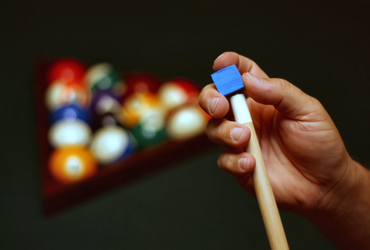
Choosing the right pool or snooker chalk may seem like a small decision, but it has a direct impact on cue control, accuracy, and consistency. Chalk improves the friction between the cue tip and the cue ball, reducing miscues and helping players execute controlled shots. This 2026 Buyer’s Guide to Pool & Snooker Chalk explains what chalk does, the different types available, and how to select the most suitable option based on playing style and table conditions.
Understanding Pool & Snooker Chalk
Pool and snooker chalk is a fine, abrasive compound applied to the cue tip before shots. Its primary purpose is to increase grip between the tip and the cue ball. Without chalk, even a well-shaped tip can slip, leading to inaccurate shots or miscues.
Although commonly called “chalk,” modern cue chalk does not usually contain true chalk (calcium carbonate). Instead, it is made from silica-based materials designed to provide controlled friction without damaging the cue ball or cloth.
Why Chalk Quality Matters
Not all chalk performs the same. The quality of chalk affects several aspects of play:
- Cue Ball Control: Better adhesion allows more reliable spin and draw shots.
- Consistency: High-quality chalk provides uniform coverage, reducing shot-to-shot variation.
- Cleanliness: Lower-quality chalk can leave excessive residue on the table and cue ball.
- Tip Longevity: Properly formulated chalk reduces uneven wear on the cue tip.
Players who practice or compete regularly often notice performance differences when switching chalk types.

Types of Pool & Snooker Chalk
Traditional Chalk
Traditional chalk is the most common and widely used option. It is affordable and suitable for casual players or practice sessions. This chalk usually has a slightly grainy texture and may require frequent reapplication. While effective, it can leave visible residue on the cloth and cue ball.
Premium Chalk
Premium chalk is designed for players seeking greater consistency and reduced mess. It typically adheres better to the cue tip and lasts longer between applications. Premium chalk is often preferred by advanced players who rely on precise spin and cue ball control.
Snooker-Specific Chalk
Snooker chalk is generally finer than pool chalk. Snooker tables use tighter cloth and smaller balls, which demand more controlled friction. Using chalk formulated specifically for snooker can help maintain accuracy and reduce unwanted deflection.
Chalk Texture and Grip Levels
Chalk varies in texture, which directly influences grip:
- Softer Chalk: Provides higher grip but may leave more residue.
- Harder Chalk: Cleaner application but slightly reduced friction.
The best choice depends on playing conditions and personal preference. Players on fast cloths may prefer chalk with higher grip, while those on slower tables may choose a cleaner option.
Color Considerations
Chalk color is not only an aesthetic choice. Common colors include blue, green, and tan. Selecting a color close to the table cloth can help reduce visible marks and maintain a cleaner appearance. Snooker players often prefer specific shades that blend well with traditional snooker cloths.
How to Choose the Right Chalk
Skill Level
Beginners can start with standard chalk to develop basic technique. As skill improves, upgrading to a higher-quality chalk may offer better control and consistency.
Playing Frequency
Frequent players benefit from chalk that lasts longer on the tip and produces less residue. Occasional players may not notice significant differences between chalk types.
Table and Environment
Humidity and cloth type affect chalk performance. In humid conditions, chalk that adheres well and resists clumping is preferable. Faster cloths may require chalk with balanced grip to avoid over-spinning the cue ball.
Proper Chalk Application
Applying chalk correctly is just as important as choosing the right type. Instead of grinding the cue tip into the chalk cube, use a gentle brushing motion to coat the tip evenly. This method ensures better coverage and reduces chalk waste.
Regularly inspecting the cue tip for even wear and proper shape will also improve how well the chalk performs.
Maintenance and Clean Play
Excess chalk residue can affect table conditions over time. Wiping the cue ball occasionally and brushing the table cloth helps maintain consistent play. Using cleaner chalk reduces maintenance effort and preserves equipment quality.
Final Thoughts
Pool and snooker chalk plays a critical role in shot execution and overall performance. Understanding the differences in chalk types, textures, and applications allows players to make informed choices. This 2026 Buyer’s Guide to Pool & Snooker Chalk highlights the key factors to consider so players at all levels can improve control, reduce miscues, and maintain clean playing conditions.
Selecting the right chalk, combined with proper technique and table care, supports consistent and reliable play—whether for casual games or competitive matches.