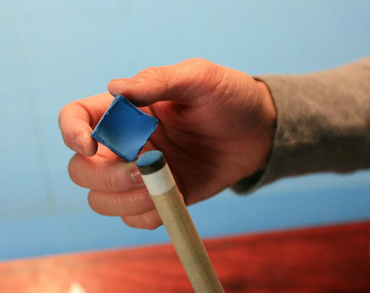
Pool and snooker chalk may look like a small accessory, but it plays an important role in every cue sport. Chalk increases friction between the cue tip and the cue ball, helping players apply spin, control direction, and reduce the risk of miscues. Choosing the right chalk can therefore influence consistency, cue-ball control, and overall playing comfort.
The 2026 Buyer’s Guide to Pool & Snooker Chalk explains how cue chalk works, the main types available, the features worth comparing, and the practical factors players should consider before making a purchase. Whether you are a beginner, a regular club player, or an experienced competitor, understanding chalk quality can help you select a product that matches your playing style and budget.
Why Pool and Snooker Chalk Is Important
Cue chalk is applied to the leather tip of a cue before a shot. Without chalk, the smooth cue tip may slide across the surface of the cue ball instead of gripping it properly. This can result in a miscue, especially when attempting side spin, backspin, or topspin.
Chalk creates a thin layer of friction that allows the cue tip to make more reliable contact with the ball. It does not completely prevent miscues, but regular and correct application can reduce their frequency.
The quality of the chalk also affects how evenly it coats the cue tip, how long it remains in place, and how much dust it leaves on the table, balls, hands, and cue shaft.
Main Types of Cue Chalk
Different chalk products are designed for different levels of play, table conditions, and personal preferences. Understanding the main categories makes it easier to compare suitable options.
Traditional Cube Chalk
Traditional cube chalk is the most widely used type in pool halls, clubs, and home game rooms. It is generally affordable and available in several colours.
This type of chalk usually needs to be applied before most shots. It provides dependable grip for casual and intermediate play, although cheaper products may create more dust or wear down unevenly.
Traditional chalk is often suitable for beginners who want a practical and accessible option without paying for premium formulations.
Premium Performance Chalk
Premium cue chalk is designed to provide stronger adhesion and a more consistent coating. Many products in this category stay on the cue tip for several shots, reducing the need for frequent application.
Premium chalk may also create less dust than standard alternatives. This can help keep the table cloth, cue ball, and player’s hands cleaner during long sessions.
The higher price may be justified for competitive players who value consistency, reduced mess, and reliable grip during shots involving heavy spin.
Soft and High-Adhesion Chalk
Soft chalk usually spreads easily across the cue tip and provides strong grip. It can be useful for players who regularly use spin or play with harder cue tips.
However, softer formulations may transfer more residue to the cue ball or table. Players should balance grip performance with cleanliness and maintenance requirements.
Low-Dust Chalk
Low-dust chalk is formulated to reduce the amount of loose powder produced during application. It is a practical choice for home tables, premium cloth surfaces, and venues where cleanliness is a priority.
Although no chalk is entirely free from residue, low-dust products can reduce cleaning frequency and minimise visible marks on the table.
Pool Chalk vs Snooker Chalk
Pool and snooker chalk serve the same basic purpose, but playing conditions may affect product choice.
Pool players often use heavier cue balls and may apply stronger side spin or power shots. They may prefer chalk with firm grip and long-lasting coverage.
Snooker involves precise cue-ball placement, delicate touch, and extended positional play. Snooker players may focus more on smooth application, consistency, and minimal residue.
Many cue chalk products can be used for both games. The label is less important than the chalk’s texture, grip, cleanliness, and compatibility with the cue tip.
Key Factors to Consider When Buying Cue Chalk
Choosing chalk should involve more than selecting a familiar colour or brand. Several practical factors can affect performance and value.
Grip and Friction
The main purpose of chalk is to improve grip between the cue tip and cue ball. A suitable product should coat the tip evenly and support controlled contact without requiring excessive application.
Players who use frequent spin may prefer high-adhesion chalk, while casual players may find traditional chalk sufficient.
Application Consistency
Good chalk should spread smoothly across the entire cue tip. Uneven or hard chalk can leave uncovered areas, increasing the possibility of a miscue.
The chalk should not crack, crumble, or develop a deep central hole too quickly. Rotating the chalk while applying it can help extend its lifespan.
Dust and Residue
Some chalks release a large amount of powder. This residue can collect on the cloth, stick to the cue ball, stain hands, and transfer to the cue shaft.
Players with a home table may prefer low-dust chalk to reduce cleaning. Club players should also consider whether the venue has rules regarding chalk colour or residue.
Chalk Colour
Blue and green are common chalk colours because they often match traditional table cloths. Matching the chalk to the cloth can make marks less visible.
However, chalk colour does not determine quality. Players should avoid using colours that leave noticeable stains on the table or clothing.
Some clubs and tournaments may require a specific chalk colour, so it is sensible to check local playing rules before purchasing.
Price and Long-Term Value
Basic chalk is usually inexpensive, while premium chalk may cost considerably more per piece. The cheapest option is not always the most economical if it wears down quickly, creates excessive dust, or requires constant reapplication.
Premium chalk may last longer and offer more consistent performance, but casual players may not benefit enough to justify the additional cost. Buying in multipacks can reduce the cost per cube for regular players and clubs.
How to Apply Cue Chalk Correctly
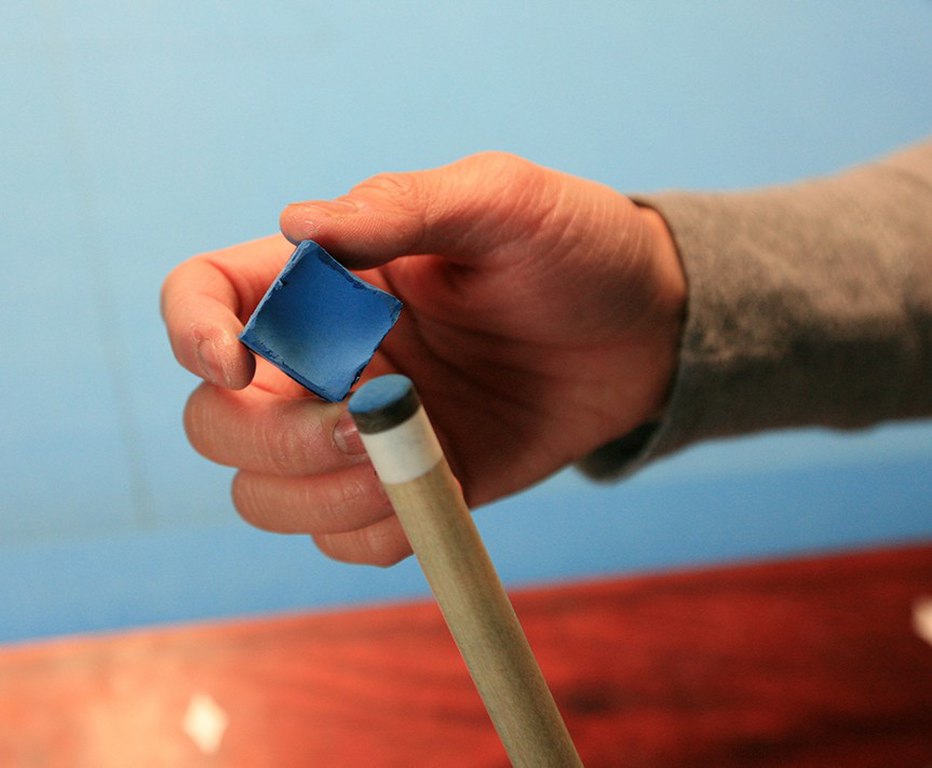
Correct application is as important as chalk quality. Players should brush the chalk lightly across the cue tip rather than drilling the tip into the centre of the cube.
Use small, controlled movements to cover the complete surface of the tip, including the outer edges. Avoid pressing too hard, as this can create unnecessary dust and damage the chalk.
The cue should be chalked before important shots and whenever the tip appears unevenly coated. Players using premium chalk may not need to apply it before every shot, but checking the tip regularly remains good practice.
Chalking directly above the table should be avoided because loose powder can fall onto the cloth.
How to Store and Maintain Cue Chalk
Cue chalk should be stored in a dry location. Moisture can change its texture, reduce grip, and cause the cube to soften or break apart.
A chalk holder or protective case can prevent damage inside a cue bag. It also reduces the chance of chalk dust spreading onto cue shafts, towels, gloves, and other accessories.
Players should replace chalk that has become cracked, contaminated, damp, or difficult to apply evenly. A worn cube can still be used, but it should not have sharp edges that could damage the cue tip.
Common Cue Chalk Buying Mistakes
One common mistake is assuming that expensive chalk will automatically improve technique. Chalk supports cue-tip contact, but it cannot correct poor alignment, cue action, or shot selection.
Another mistake is applying too much chalk. Heavy application creates additional dust without necessarily improving grip.
Players should also avoid choosing chalk solely by colour or packaging. Performance, residue, durability, and cue-tip compatibility are more important.
Using damaged or damp chalk is another avoidable error. Poorly stored chalk may provide inconsistent coverage and increase the risk of miscues.
Which Cue Chalk Is Suitable for Different Players?
Beginners may prefer affordable traditional chalk that is easy to find and replace. At this stage, consistent application matters more than premium features.
Regular club players may benefit from mid-range or low-dust chalk that offers better cleanliness and durability.
Competitive players may prefer premium high-adhesion chalk for consistent grip during long matches and pressure shots. However, they should test the product during practice before using it in competition.
Home table owners may prioritise low-dust formulas and chalk colours that match the cloth.
Conclusion
The right pool or snooker chalk should provide reliable grip, even coverage, manageable residue, and reasonable durability. Traditional chalk remains suitable for many players, while premium and low-dust options may offer added consistency and cleaner playing conditions.
The 2026 Buyer’s Guide to Pool & Snooker Chalk can help players compare products based on practical factors rather than price or packaging alone. Consider your playing frequency, cue-tip hardness, use of spin, table-cleaning requirements, and budget before making a decision.