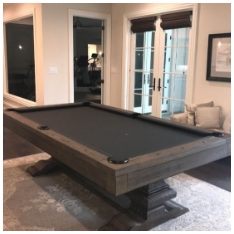
Selecting a pool table requires more thought than most buyers expect. The table type affects gameplay quality, durability, maintenance, and space requirements. Different pool tables are designed for different environments, from casual home use to commercial venues and professional play. Understanding what kinds of pool tables are there helps narrow down options based on actual usage rather than appearance.
Why Pool Table Types Matter
Pool tables vary in construction, playing surface, pocket design, and size. These differences influence how accurately the balls roll and how long the table maintains its condition. A table suitable for light recreational play may not handle frequent use, while a professional table may require more space and maintenance. Knowing the table category helps avoid mismatched expectations.
Slate Pool Tables
Slate pool tables are widely regarded as the standard for consistent play. They use a thick slab of natural slate as the playing surface, which ensures accuracy and stability over time. Because slate is heavy, these tables are not easily movable and usually require professional installation.
Key characteristics include:
- Stable and level playing surface
- Long-term durability
- Common use in tournaments and pool halls
Slate pool tables are ideal for players who value precision and plan to use the table regularly.
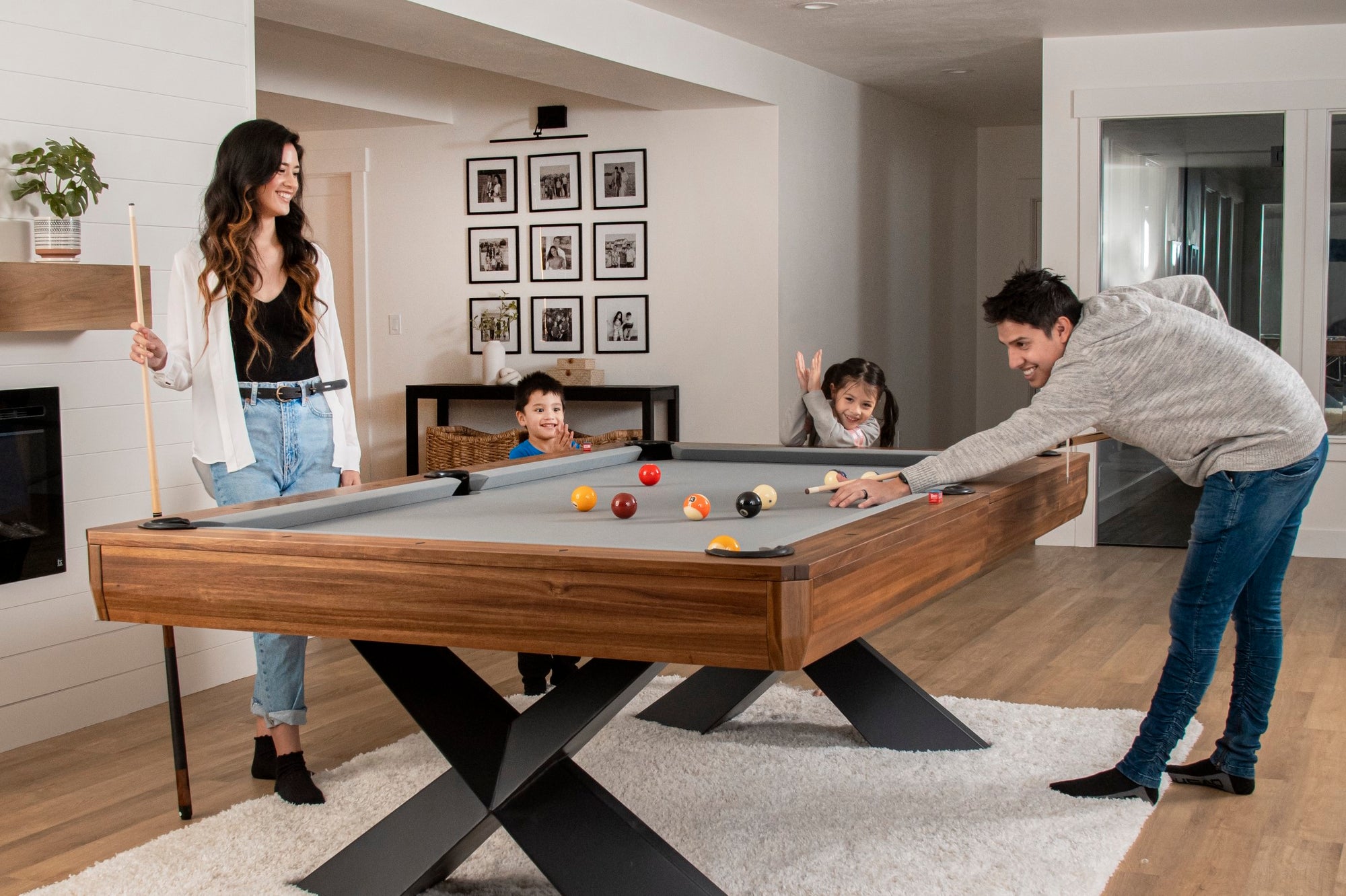
MDF Pool Tables
MDF pool tables use engineered wood instead of slate, making them lighter and more affordable. These tables are easier to assemble and move, which makes them suitable for casual use or temporary setups. However, MDF surfaces can be affected by humidity and may lose flatness with extended use.
These tables are generally chosen for:
- Beginner players
- Recreational home use
- Budget-conscious buyers
They provide basic gameplay but are not designed for long-term accuracy.
Coin-Operated Pool Tables
Coin-operated pool tables are commonly found in bars and entertainment venues. These tables include a built-in mechanism that controls ball release after payment. They are designed to handle frequent use and are usually smaller in size to fit commercial spaces efficiently.
Common features include:
- Heavy-duty construction
- Smaller playing surface
- Minimal maintenance requirements
These tables are focused on durability rather than advanced play performance.
American Pool Tables
American pool tables are larger and commonly used for eight-ball and nine-ball. They feature wider pockets and a larger playing surface, making them more forgiving for casual players. These tables are versatile and widely available.
They are often used in:
- Home game rooms
- Pool halls
- Competitive and recreational play
American pool tables support multiple game formats and skill levels.
Snooker Tables
Snooker tables are larger than standard pool tables and require a dedicated space. They use smaller balls and tight, rounded pockets, which demand a high level of control. Snooker tables are mainly used by experienced players.
Key aspects include:
- Large table size
- Precision-focused gameplay
- Professional-level design
They are not practical for small rooms or casual play.
Outdoor Pool Tables
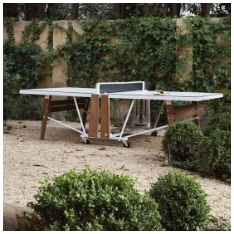
Outdoor pool tables are built using weather-resistant materials to withstand environmental exposure. They are suitable for patios, resorts, and recreational areas where indoor placement is not possible.
Typical features include:
- Waterproof playing surfaces
- Rust-resistant frames
- UV-protected materials
Proper covering and maintenance extend their usability.
Convertible Pool Tables
Convertible pool tables serve more than one purpose by functioning as dining or work tables when covered. They are designed for homes where space is limited.
These tables offer:
- Space efficiency
- Dual functionality
- Modern design options
While convenient, they may not match the play quality of dedicated tables.
Final Thoughts
Understanding what kinds of pool tables are there allows buyers to choose a table based on usage, space, and performance needs. Each type serves a specific role, and selecting the right one ensures better gameplay, reduced maintenance issues, and long-term satisfaction.