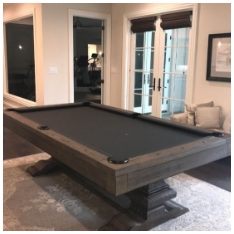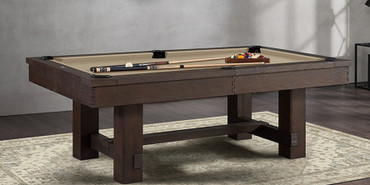
Choosing the right pool table is important if you want a smooth playing experience and a long-lasting product for your home, club, or recreational space. A pool table is more than just furniture it is an investment that needs proper understanding of materials, construction, size, and placement. This Pool Table Buying Buy Yours Today covers every detail you need before making a purchase. Whether you are setting up a gaming area or upgrading your entertainment space, this guide helps you make a well-informed decision.
Understanding Pool Table Sizes
Standard Pool Table Dimensions
Pool tables come in several standard sizes, most commonly 7-foot, 8-foot, and 9-foot models. Each size works best for specific spaces and skill levels.
7-Foot Tables
A 7-foot table is often used in small clubs and compact homes. It is suitable for beginners and casual play. This size is easier to fit in apartments or smaller rooms while still offering a comfortable playing surface.
8-Foot Tables
The 8-foot size is popular for home game rooms. It offers a balance between comfort, challenge, and standard play. Many buyers consider this the ideal size because it fits most medium-sized rooms and provides a better playing experience.
9-Foot Tables
A 9-foot table is typically used in tournaments and professional settings. It requires a larger room and offers a more challenging game. If you have enough space and want a professional setup, this size is an excellent choice.
Room Size and Placement
Measuring Your Space
Before buying a pool table, measuring the room is essential. The space must allow players to move freely and take shots comfortably. The length of a cue stick is usually around 58 inches, so this must be considered when planning your room layout.
Ideal Clearance Around the Table
A general recommendation is to have at least 5 feet of open space on all sides of the pool table. This ensures smooth cue movement, prevents wall damage, and makes gameplay enjoyable for all players.
Pool Table Construction and Materials
Table Frame and Legs
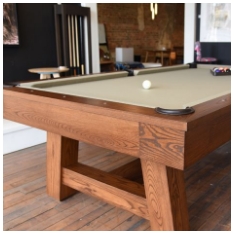
The table frame should be sturdy enough to support the weight of the slate. Solid hardwood such as oak, maple, or walnut is preferred because it offers durability and stability over time. The legs should be strong and capable of supporting the table evenly.
Types of Table Legs
- Square legs for a modern look
- Carved legs for a traditional style
- Pedestal legs for stability in larger tables
Choose the design that matches your interior décor while ensuring strong support.
Playing Surface: Slate and Alternatives
Slate Quality
Slate is the top choice for pool tables because it provides a flat and smooth playing surface. Slate tables are long-lasting and offer accurate ball movement. The thickness of slate commonly ranges from ¾ inch to 1 inch, with thicker slate offering better performance.
One-Piece vs Three-Piece Slate
- One-Piece Slate: Ideal for small spaces, easier to install in one piece.
- Three-Piece Slate: More common in high-quality tables because it allows precise leveling and easier transportation.
Non-Slate Alternatives
Some budget-friendly tables use MDF (Medium Density Fiberboard). While MDF tables are lighter and affordable, they may warp over time due to moisture and temperature changes. If you want long-term use, slate is the better option.
Cushions and Rails
Cushion Material
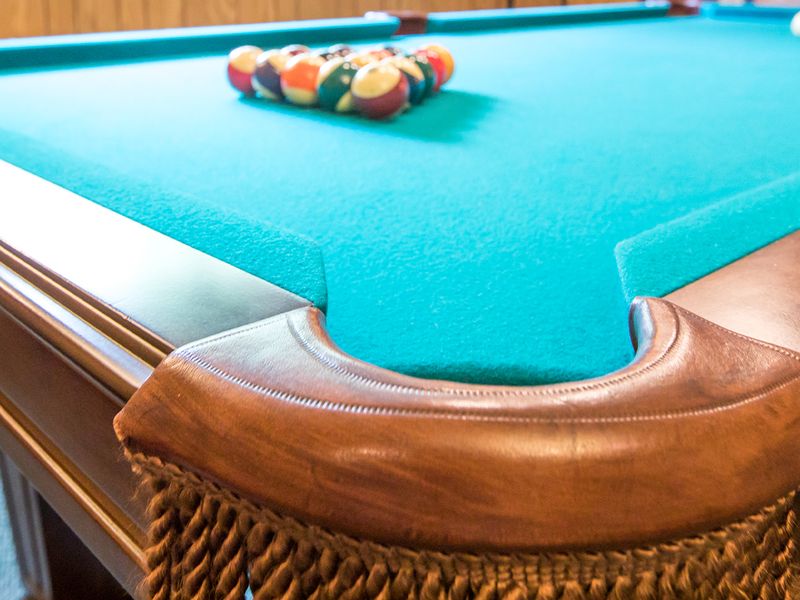
Cushions should be made from durable rubber to maintain consistent bounce. Natural gum rubber tends to last longer and offers accurate rebound performance.
Rail Construction
Rails must be sturdy and well-attached to ensure clean, predictable shots. Wooden rails with high-quality rubber cushions provide the best performance for both beginners and experienced players.
Cloth and Felt Options
Types of Pool Table Cloth
The cloth covering the slate affects speed, friction, and overall feel. The two most common cloth types are:
Woolen Cloth
This option is thicker and best suited for casual play. It slows down the balls slightly, making it good for beginners.
Worsted Cloth
Worsted cloth is smoother and faster. It is commonly used in tournaments and professional settings. If you want precise and quick gameplay, worsted cloth is the ideal choice.
Pool Table Style and Design
Traditional vs Modern Styles
The look of your pool table should match your interior. Traditional tables often feature carved wood while modern tables use sleek lines and contemporary materials. The choice depends on your room setting and personal preferences.
Finish Options
Finishes range from dark walnut to light oak, as well as matte, glossy, or textured surfaces. Choose a finish that complements your décor while maintaining durability.
Conclusion
A pool table is a long-term addition to your home or recreation space. With this Pool Table Buy Yours Today, you now have a clear understanding of table sizes, materials, cloth options, accessories, and installation requirements. By evaluating your space, budget, and playing needs, you can confidently select a table that fits your lifestyle and provides years of enjoyable play.