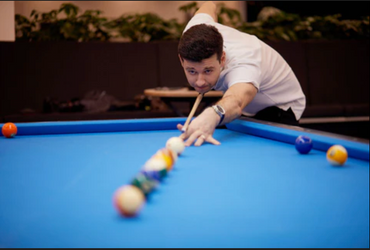
In cue sports such as pool, billiards, and snooker, technique plays a critical role in shot accuracy and consistency. Among the many technical aspects of the game, grip control is one of the most important yet frequently overlooked fundamentals. Players often focus on aiming and shot power but neglect the way they hold the cue.
Understanding Mastering the perfect cue grip, "Hold Your Cue Like a Pro can significantly improve shot precision, cue control, and overall performance. A proper grip helps maintain stability during the stroke while allowing the cue to move smoothly and naturally. This guide explains the essential elements of cue grip, common mistakes, and practical tips that help players build consistent technique.
Why Cue Grip Matters in Cue Sports
A cue grip influences how smoothly the cue travels during a shot. Even small adjustments in hand position or pressure can affect cue alignment and ball contact.
A balanced grip provides several advantages:
- Improved shot accuracy
- Better cue control during strokes
- Reduced tension in the arm and wrist
- Consistent follow-through
When players practice Mastering the Perfect Cue Grip: Hold Your Cue Like a Pro, they develop muscle memory that allows each shot to feel natural and controlled.
Understanding the Basic Cue Grip Technique
A correct cue grip should feel comfortable, relaxed, and balanced. It should guide the cue rather than force it.
Hand Position on the Cue
The grip hand is usually positioned near the butt end of the cue. However, the exact placement can vary depending on player height, stance, and cue length.
Most players follow these guidelines:
- Hold the cue toward the back end
- Keep the grip centered in the fingers rather than deep in the palm
- Maintain enough distance between the grip hand and bridge hand
This position allows the cue to move freely during the stroke.

Grip Pressure
Grip pressure should remain light. Many beginners hold the cue too tightly, which restricts movement and causes unwanted tension.
A good rule is to hold the cue just firmly enough to maintain control without squeezing it. The cue should feel stable but flexible in the hand.
Wrist Alignment
The wrist should stay relaxed and aligned with the forearm. When the wrist becomes rigid, the cue stroke loses smoothness and consistency.
Keeping the wrist loose supports a straight cue path and better ball contact.
How Grip Affects Cue Control
The relationship between grip and cue movement becomes clearer when observing experienced players. Their strokes appear smooth and effortless because their grip allows the cue to glide naturally.
When applying the principles of Mastering the Perfect Cue Grip: Hold Your Cue Like a Pro, players typically notice improvements in three areas:
- Cue stability – The cue stays aligned during the stroke.
- Shot consistency – Each stroke follows the same motion.
- Ball control – Spin and speed become easier to manage.
A controlled grip ensures that the cue moves in a straight line toward the cue ball.
Common Cue Grip Mistakes
Many players struggle with grip technique due to habits developed early in their playing experience. Recognizing common mistakes helps correct these issues.
Gripping the Cue Too Tightly
One of the most frequent problems is excessive grip pressure. A tight grip restricts cue movement and introduces unnecessary tension.
Players should practice loosening their hand until the cue feels balanced.
Changing Grip During the Stroke
Another mistake is adjusting the grip mid-stroke. The grip should remain consistent throughout the shot.
Any movement of the grip hand can change the cue path and affect shot accuracy.
Holding the Cue Too Far Forward
Some players grip the cue too close to the center. This limits leverage and reduces stroke range.
Keeping the grip closer to the butt of the cue helps maintain proper stroke length.
Steps to Improve Your Cue Grip
Developing a reliable grip requires regular practice and awareness. The following steps help players refine their technique.
Step 1: Start with a Relaxed Grip
Begin each practice session by focusing on hand relaxation. Let the cue rest naturally between the fingers.
Step 2: Check Cue Alignment
Make sure the cue stays aligned with the forearm during the stroke. Proper alignment prevents sideways movement.
Step 3: Practice Smooth Strokes
Repetition builds consistency. Perform slow practice strokes before taking a shot.
Step 4: Maintain Consistent Pressure
Keep the same grip pressure from start to finish. Avoid tightening the grip when striking the cue ball.
By following these steps, players gradually develop the technique involved in Mastering the Perfect Cue Grip: Hold Your Cue Like a Pro.
Advanced Tips for Better Cue Grip Control
Experienced players often refine their grip further to improve performance under different shot conditions.
Adjust Grip for Power Shots
For stronger shots, some players slightly tighten the grip while maintaining overall control. This adjustment should be subtle and controlled.
Maintain Relaxation During Follow-Through
The cue should continue moving smoothly after contact with the ball. A relaxed grip allows natural follow-through.
Build Muscle Memory Through Practice
Consistent practice helps players internalize grip technique. Over time, the correct grip becomes automatic during gameplay.
Conclusion
Grip technique is a foundational element in cue sports that directly influences shot accuracy and control. While many players focus primarily on aiming or strategy, the way the cue is held plays a major role in delivering consistent strokes.
By understanding the principles behind Mastering the Perfect Cue Grip: Hold Your Cue Like a Pro, players can improve their cue control, reduce tension, and achieve greater consistency during play. A relaxed grip, proper hand positioning, and regular practice create the foundation for more accurate and confident shots.
Whether you are a beginner learning the basics or an experienced player refining technique, focusing on cue grip is an effective way to improve performance at the table.