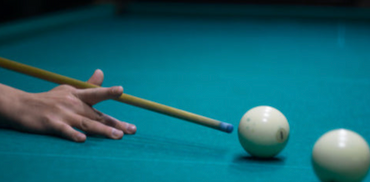
Selecting the right pool cue is an essential step for any player who wants to improve accuracy, control, and overall consistency. While skill and practice play a major role in performance, using a cue that suits your playing style can make a noticeable difference. This Ideal Pool Cue Selection Guide: Choose by Weight & Material explains the key factors you should consider when buying a pool cue, helping both beginners and experienced players make informed decisions.
Why Pool Cue Selection Matters
A pool cue is more than just a stick used to strike the ball. It directly affects how you deliver shots, control spin, and maintain balance throughout the game. Using an unsuitable cue can lead to inconsistent shots, poor cue ball control, and unnecessary strain on your arm and wrist. Choosing the right weight and material ensures better comfort and predictable performance during long playing sessions.
Understanding Pool Cue Weight
Cue weight is one of the most important factors when selecting a pool cue. Most standard pool cues weigh between 18 and 21 ounces, but the ideal weight depends on individual preference and playing style.
How Cue Weight Affects Performance
- Lighter cues (18–19 oz):
These allow faster cue movement and are often preferred by players who rely on finesse, spin, and precise control. Lighter cues can help reduce fatigue, especially during extended play. - Medium-weight cues (19–20 oz):
This is the most popular range and suits a wide variety of players. Medium-weight cues offer a balanced combination of power and control, making them ideal for beginners and intermediate players. - Heavier cues (20–21 oz):
Heavier cues generate more force with less effort and are commonly chosen by players who prefer strong break shots. However, they may reduce fine control if not handled properly.

Choosing the Right Weight for Your Style
If you focus on controlled shots and positional play, a lighter or medium-weight cue may suit you better. Players who rely on power may prefer a slightly heavier cue. Testing different weights before making a purchase is always recommended, as comfort plays a key role in consistent performance.
Pool Cue Materials Explained
Cue material significantly influences feel, durability, and responsiveness. Most pool cues are made from wood, but modern designs also incorporate advanced materials.
Common Pool Cue Materials
Maple Wood
Maple is the most widely used material for pool cues. It offers a smooth finish, consistent performance, and reliable feedback. Maple cues are suitable for players at all skill levels and are often used in professional settings.
Ash Wood
Ash cues are commonly used in certain cue sports and are known for their visible grain pattern. They provide excellent feedback and control, making them a good option for players who prefer a natural feel.
Carbon Fiber
Carbon fiber cues are increasingly popular due to their durability and resistance to warping. They offer consistent performance and low maintenance but tend to be more expensive than traditional wooden cues.
Fiberglass-Coated Cues
These cues feature a wooden core with a fiberglass coating. They are durable and affordable, making them suitable for casual or recreational players. However, they may lack the refined feel of higher-end cues.
Matching Weight and Material for Best Results
The key to effective cue selection lies in balancing weight and material. For example, a medium-weight maple cue provides excellent all-around performance, while a carbon fiber cue paired with a lighter weight can enhance precision and consistency. This Ideal Pool Cue Selection Guide: Choose by Weight & Material emphasizes that no single combination is best for everyone. Personal comfort and playing habits should guide your decision.
Tips for Choosing the Right Pool Cue
Consider Your Experience Level
Beginners often benefit from medium-weight maple cues, as they offer stability and control. Advanced players may prefer specialized materials or custom weights for specific techniques.
Test Before You Buy
Whenever possible, try different cues to understand how weight and material affect your shots. Even small differences can impact your comfort and accuracy.
Focus on Balance and Grip
A well-balanced cue with a comfortable grip allows smoother strokes and better control. Avoid cues that feel awkward or strain your wrist.
Think Long-Term
Investing in a durable cue made from quality materials can improve consistency over time and reduce the need for frequent replacements.
Conclusion
Choosing the right pool cue is a personal decision that directly affects performance and enjoyment of the game. By understanding how weight and material influence control, power, and comfort, players can make smarter choices that support their playing style. This Ideal Pool Cue Selection Guide: Choose by Weight & Material provides a clear framework to help you select a cue that enhances accuracy, consistency, and confidence at the table. Taking the time to choose wisely can significantly improve your overall playing experience.