Choosing the right table tennis table is essential for enjoying consistent gameplay, improving skills, and ensuring long-term value for your investment. Whether you are a beginner, a recreational player, or someone setting up a professional playing space, understanding the key factors involved can help you make an informed decision. This article serves as How to Choose the Perfect Table Tennis Table: A Complete Buyer’s Guide, covering all essential aspects in a clear and practical manner.
Why Choosing the Right Table Tennis Table Matters
A table tennis table directly affects ball bounce, speed, and overall playing experience. A poor-quality table can lead to uneven rebounds, surface damage, and limited durability. On the other hand, a well-chosen table enhances gameplay consistency, supports proper technique, and lasts for years with minimal maintenance.
Types of Table Tennis Tables
Indoor Table Tennis Tables
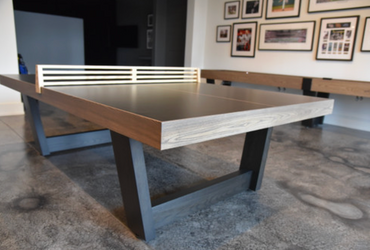
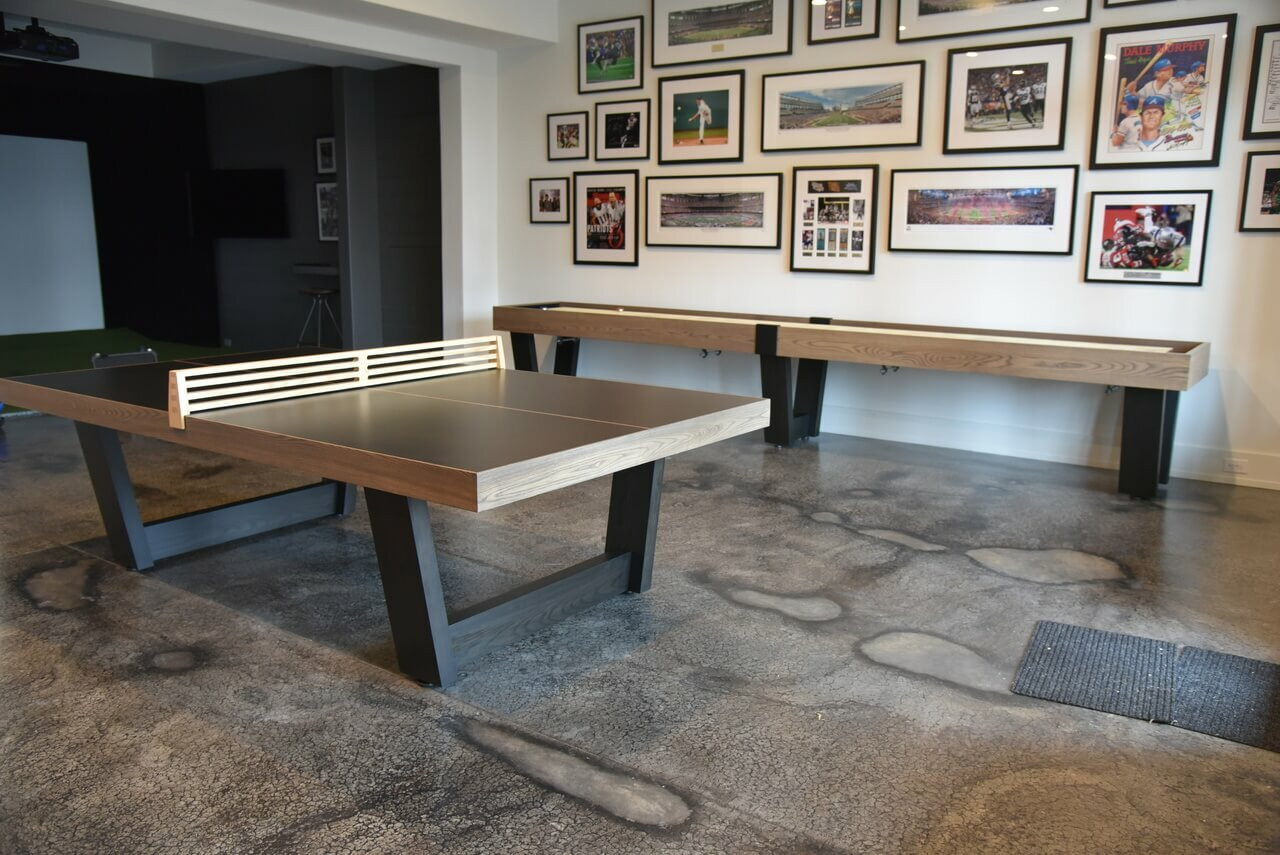
Indoor tables are designed specifically for controlled environments. They are usually made from engineered wood and offer a smooth, consistent playing surface.
Best suited for:
- Home game rooms
- Clubs and academies
- Schools and training centers
Indoor tables should be kept away from moisture and temperature fluctuations to prevent warping.
Outdoor Table Tennis Tables
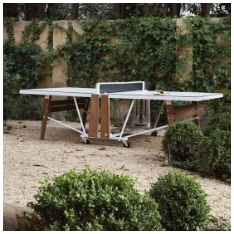
Outdoor tables are built to withstand weather conditions. They are made using weather-resistant materials such as aluminum composite or treated resin surfaces.
Best suited for:
- Gardens and terraces
- Public recreation areas
- Outdoor sports facilities
These tables provide durability but may have slightly different ball bounce compared to indoor tables.
Understanding Table Size and Playing Area
Standard Table Dimensions
According to international standards, a full-size table tennis table measures:
- Length: 9 feet
- Width: 5 feet
- Height: 2.5 feet
Ensure your playing area allows sufficient space around the table for free movement. Ideally, allow at least 5 feet of clearance on all sides.
Compact and Foldable Options
If space is limited, foldable or compact tables are practical alternatives. These are suitable for casual play and easy storage, though they may not provide professional-level performance.
Table Top Thickness and Its Impact
Why Thickness Matters
The thickness of the tabletop determines the quality of ball bounce. Thicker surfaces provide better rebound and consistency.
Common thickness options:
- 12–15 mm: Entry-level, suitable for beginners
- 16–18 mm: Recreational and intermediate play
- 19–25 mm: Professional and tournament use
For serious players, a tabletop thickness of at least 18 mm is recommended.
Portability and Storage Features
Foldable Designs
Many modern tables include folding mechanisms for easy storage. Some models allow one side to be folded independently, enabling solo practice.
Wheels and Locking Systems
Tables with high-quality wheels are easier to move. Ensure the wheels have locking features to keep the table stable during matches.
Safety and Ease of Use
Child Safety Features
Rounded corners, safety locks, and smooth edges are important if children will be using the table.
Assembly and Maintenance
Choose a table with clear assembly instructions and minimal maintenance requirements. Easy-to-clean surfaces help preserve playing quality.
Budget Considerations
Entry-Level Tables
Affordable tables are suitable for casual players and beginners. While they may lack advanced features, they are a good starting point.
Mid-Range and Professional Tables
Higher-priced tables offer better materials, stronger frames, and improved playing surfaces. These are ideal for clubs, serious players, and long-term use.
Conclusion
Selecting the right table tennis table requires careful evaluation of space, usage, materials, and performance expectations. By understanding table types, thickness, stability, and safety features, buyers can avoid common mistakes and invest wisely. This guide on How to Choose the Perfect Table Tennis Table: A Complete Buyer’s Guide is designed to help you make a practical and informed decision, ensuring enjoyable and consistent gameplay for years to come.