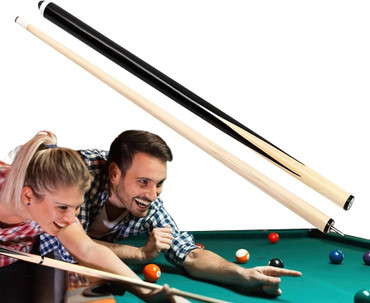
Choosing the right pool cue is an important first step for anyone starting to play billiards. A cue that suits your height, playing style, and comfort level can improve accuracy, consistency, and overall control at the table. This guide explains how to choose pool cue stick for beginners by breaking down the most important factors without unnecessary complexity.
Whether you are buying your first cue or moving away from house cues, understanding the basics will help you make a confident decision.
Why Choosing the Right Pool Cue Matters
Many beginners assume that any cue will work the same way. In reality, cue specifications directly affect shot accuracy, cue ball control, and learning progress. A cue that is too heavy, too long, or poorly balanced can make even simple shots difficult.
A beginner-friendly cue allows you to focus on technique rather than adjusting to unsuitable equipment.
Understanding Pool Cue Basics
Before selecting a cue, it helps to understand its main components and how they influence play.
Pool Cue Length
Most standard pool cues measure 57 to 58 inches, which suits the majority of adult players. Beginners should start with a standard-length cue unless they are significantly shorter or taller than average.
- Players under 5 feet may prefer shorter cues (52–54 inches)
- Taller players can still use standard length comfortably
Avoid specialty-length cues until your playing style is more developed.
Pool Cue Weight
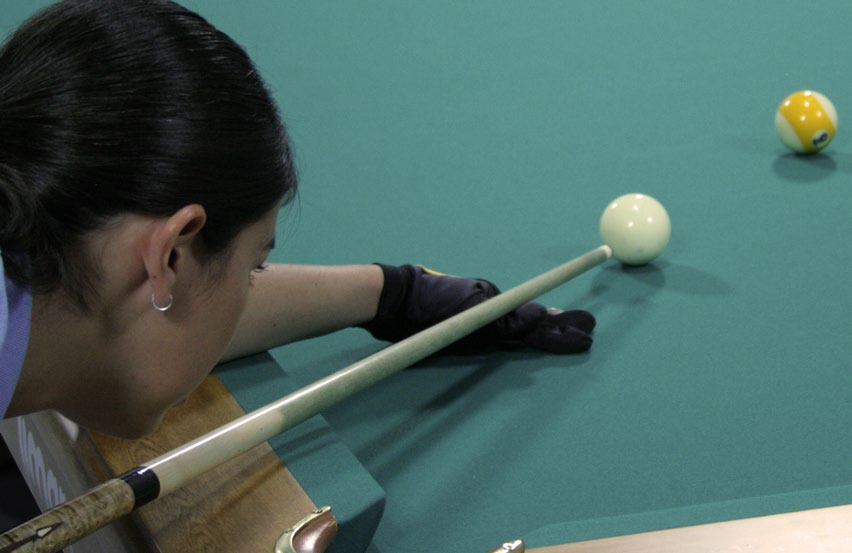
Cue weight is one of the most important factors for beginners.
- Standard cue weights range from 18 to 21 ounces
- Beginners usually benefit from 19–20 ounces
A cue that is too light may lack stability, while a cue that is too heavy can reduce control and touch. A mid-weight cue provides balance and helps develop consistent stroke mechanics.
Choosing the Right Cue Tip
The cue tip is the only part of the cue that contacts the ball, making it critical for performance.
Cue Tip Size
For beginners, a tip size between 12.5 mm and 13 mm is recommended.
- Larger tips offer more forgiveness on off-center hits
- Smaller tips require advanced precision
Starting with a slightly larger tip helps reduce miscues while learning basic shot control.
Cue Tip Hardness
Cue tips come in soft, medium, and hard options.
- Medium tips are ideal for beginners
- They offer a balance of control, durability, and feedback
Soft tips require more maintenance, while hard tips can make spin control more difficult for new players.
Pool Cue Material and Shaft Type
Cue construction affects feel, durability, and consistency.
Cue Shaft Material
Most beginner cues use maple wood shafts, which provide a smooth and predictable response. Maple is widely used due to its balance of strength and flexibility.
Carbon fiber shafts exist but are usually unnecessary for beginners due to cost and playing characteristics.
Cue Butt Construction
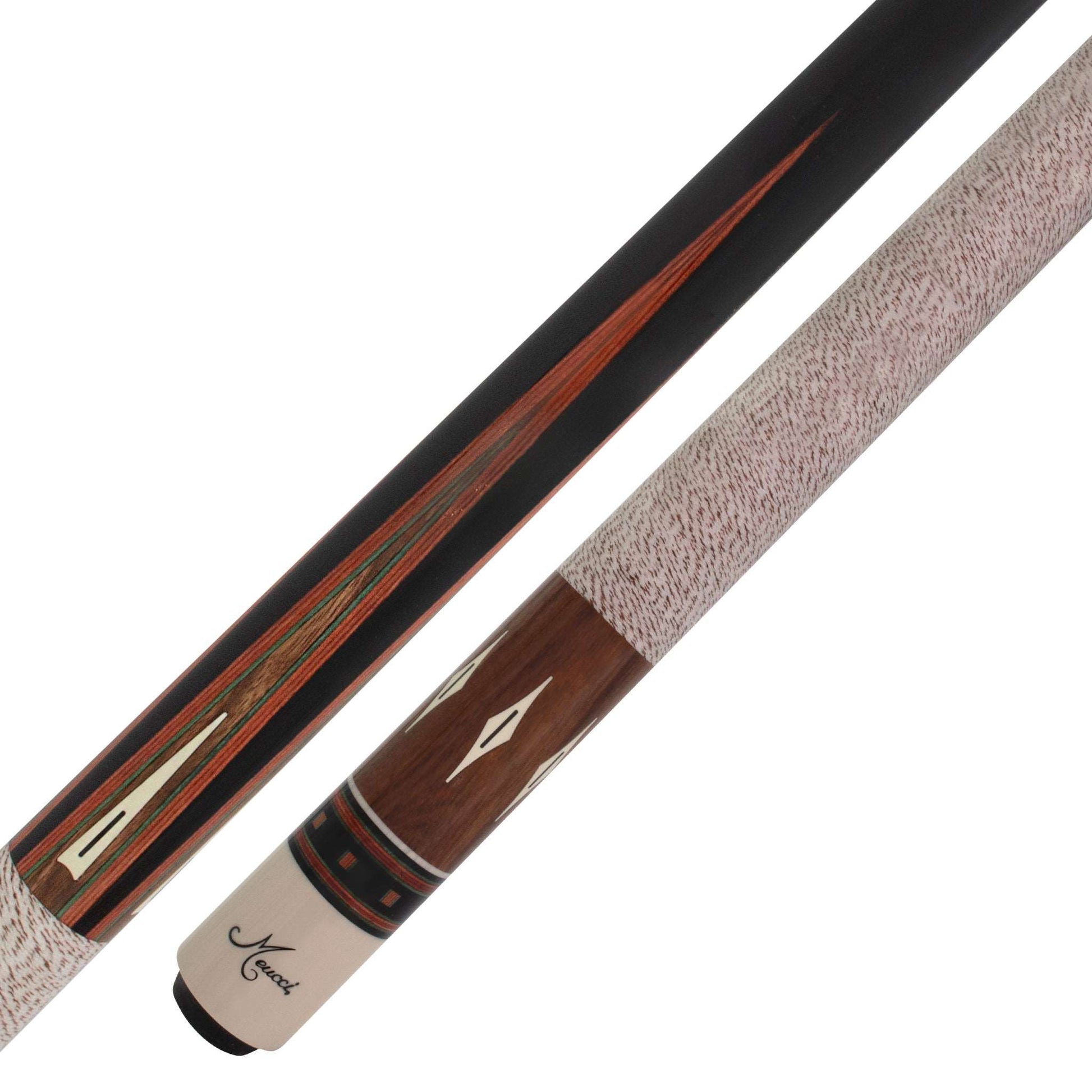
The butt is the thicker portion of the cue. Beginner cues often feature:
- Solid hardwood or composite materials
- Simple finishes for durability
Decorative inlays are optional and do not affect performance.
Cue Balance and Grip Comfort
A cue should feel comfortable in your hands and balanced during the stroke.
Cue Balance Point
Most cues are balanced slightly toward the butt. Beginners should look for a cue that feels stable when held at the grip position without tipping forward or backward.
Proper balance helps maintain a straight and controlled stroke.
Grip Style
Pool cues may have a wrap or a smooth handle.
- No-wrap or linen wrap cues are common for beginners
- Choose a grip that feels secure without forcing pressure
Avoid gripping too tightly, as relaxed control improves accuracy.
Final Thoughts on Choosing a Pool Cue for Beginners
Selecting the right pool cue is about comfort, control, and consistency. Beginners should prioritize standard length, mid-range weight, medium tip hardness, and reliable materials. A cue that feels natural will support proper technique and make learning more enjoyable.
By following this guide on how to choose pool cue stick for beginners, you can invest in equipment that supports steady improvement and long-term playing confidence.