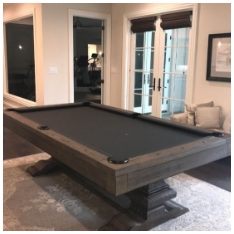
A pool table is a long-term investment, and the condition of its felt directly affects gameplay, accuracy, and overall table life. One of the most common questions table owners ask is How Often Should You Refelt a Pool Table The answer depends on usage, environment, and maintenance habits. This guide explains realistic timelines, warning signs, and practical considerations to help you plan refelting at the right time.
What Does Refelting a Pool Table Mean?
Refelting a pool table involves removing the old cloth and installing new billiard felt across the slate and rails. Over time, felt wears down due to friction, chalk residue, spills, and environmental factors. Once the surface loses consistency, ball movement becomes unpredictable, affecting both casual and competitive play.
Refelting is a standard maintenance task and should not be delayed once the cloth shows clear signs of wear.
How Often Should You Refelt a Pool Table Based on Usage?
Light Home Use
For tables used a few times a week in a home setting, refelting is typically needed every 5 to 7 years. These tables experience minimal wear and often last longer if cleaned properly and protected from moisture and direct sunlight.
Regular Home or Office Use
If the table is used several times a week for extended sessions, refelting may be required every 3 to 5 years. Frequent play increases friction and chalk buildup, which gradually breaks down the cloth fibers.
Commercial or Club Use
In pool halls, clubs, or bars, tables often need refelting every 6 to 18 months. Heavy daily use, inconsistent cleaning, and frequent ball impact significantly reduce felt lifespan.
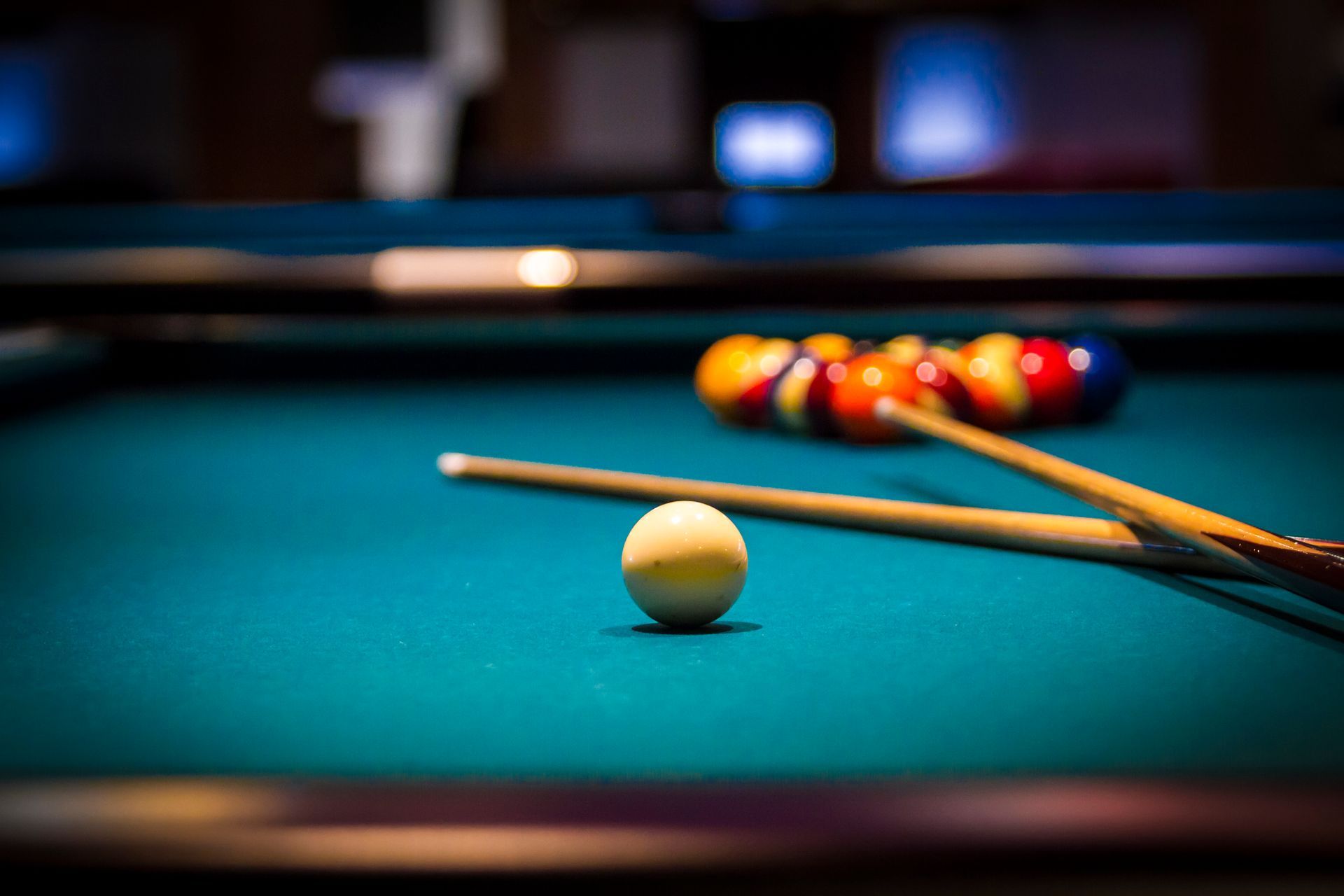
Signs That Indicate Your Pool Table Needs Refelting
Even if your table hasn’t reached a specific timeline, visible and performance-based signs can indicate it’s time to refelt.
Visible Wear and Thinning
Areas near pockets, break zones, or commonly used shot paths may appear lighter or threadbare. Once the felt thins, the slate underneath becomes vulnerable to damage.
Inconsistent Ball Roll
If balls slow down unevenly, curve unexpectedly, or fail to travel straight, the felt surface may no longer be level or smooth.
Burn Marks and Chalk Stains
Repeated friction can cause burn marks that harden the cloth. Excess chalk buildup embeds into the felt, making cleaning ineffective over time.
Loose or Wrinkled Cloth
Felt that stretches, ripples, or pulls away from the rails affects accuracy and indicates the cloth has reached the end of its usable life.
Factors That Affect How Often You Should Refelt a Pool Table
Type of Felt Used
Woolen felt wears faster but is more forgiving for casual play. Worsted cloth lasts longer and offers a smoother surface, often extending refelting intervals by one to two years.
Playing Style
Power breaks and aggressive shots increase surface friction. Players who practice frequently or play competitively will wear out felt faster.
Environmental Conditions
Humidity, temperature changes, and direct sunlight weaken felt fibers. Tables placed near windows or in damp rooms require refelting sooner.
Maintenance Habits
Regular brushing, vacuuming with proper attachments, and covering the table when not in use can significantly extend felt life.
How to Extend the Life of Your Pool Table Felt
Clean the Felt Properly
Use a soft pool table brush to remove chalk dust in one direction. Avoid household cleaners or excessive vacuum pressure.
Use a Table Cover
Covering the table protects the felt from dust, spills, pet hair, and sunlight when not in use.
Control Room Conditions
Maintain stable humidity levels and avoid placing the table near heating vents or air conditioners.
Use Quality Balls and Chalk
Low-quality accessories leave more residue and increase surface abrasion, shortening felt lifespan.
Professional Refelting vs DIY Refelting
While DIY kits are available, professional refelting ensures proper stretching, alignment, and rail installation. Poor installation can cause uneven play and reduce the lifespan of new felt. For slate tables, professional service is generally recommended.
Final Thoughts
So, How Often Should You Refelt a Pool Table For most home users, every 3 to 7 years is realistic, while commercial tables require far more frequent attention. Instead of relying solely on timelines, monitor wear patterns, ball behavior, and cloth condition. Timely refelting preserves gameplay quality, protects the slate, and extends the overall life of your pool table.