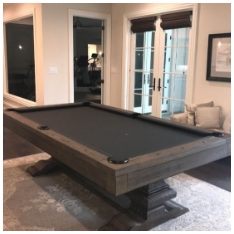
Installing a pool table at home or in a commercial space requires more than simply measuring the table itself. One of the most important considerations is the surrounding clearance. Without adequate space, even the highest-quality table can become frustrating to use. Understanding How Much Clearance Is Needed Around a Pool Table for Comfortable Play? ensures proper cue movement, better shot execution, and an enjoyable playing experience. explains clearance requirements, room size calculations, and practical layout tips to help you plan your space correctly.
Why Clearance Around a Pool Table Matters
Pool is a cue sport that relies heavily on freedom of movement. Players need room to step back, extend the cue fully, and adjust their stance without obstruction. Insufficient clearance leads to restricted shots, damaged walls, and compromised gameplay.
Proper clearance allows:
- Full cue strokes without interference
- Comfortable player movement around the table
- Protection for walls, furniture, and cues
- A more professional and enjoyable playing environment
Standard Pool Table Sizes
Before determining clearance, it is essential to know the size of the pool table being installed. Pool tables are measured by the playing surface, not the outer frame.
Common Pool Table Dimensions
- 7-foot table: 39" x 78" playing surface
- 8-foot table: 44" x 88" playing surface
- 9-foot table: 50" x 100" playing surface
The outer dimensions can add several inches depending on rail width, so this should always be factored into room planning.
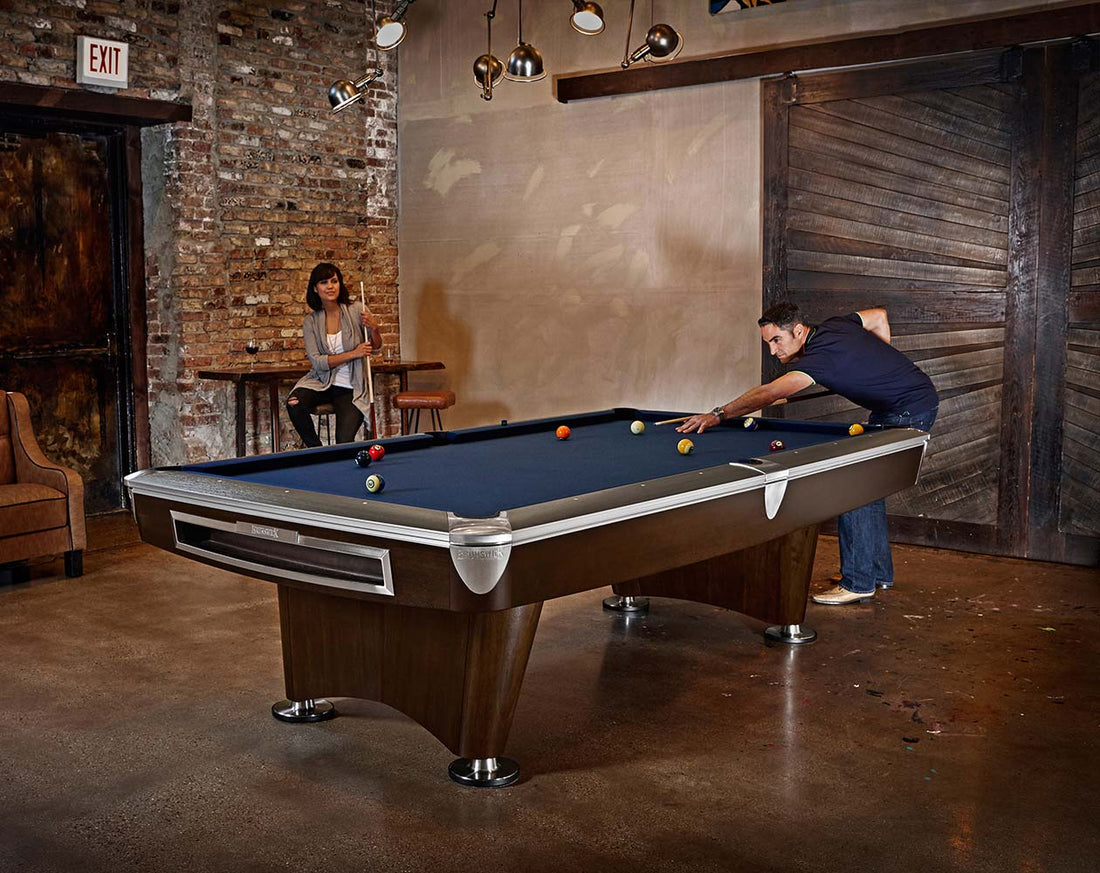
Recommended Clearance for Comfortable Play
Standard Cue Length Consideration
Most pool cues are approximately 57 to 58 inches long. To execute a proper shot, players need at least the length of the cue plus some additional space for stance and follow-through.
Ideal Clearance Measurement
- Minimum clearance: 5 feet (60 inches) on all sides
- Recommended clearance: 5.5 to 6 feet for unrestricted play
This spacing ensures that players can take full strokes even when the cue ball is close to the rail.
Room Size Requirements by Table Size
7-Foot Pool Table Room Size
- Minimum room size: 13' x 16'
- Suitable for smaller homes or game rooms
- Allows comfortable play with standard cues
8-Foot Pool Table Room Size
- Minimum room size: 14' x 18'
- Ideal for home recreation rooms
- Offers better spacing for multiple players
9-Foot Pool Table Room Size
- Minimum room size: 15' x 20'
- Common in professional and tournament settings
- Provides full freedom of movement and shot selection
These measurements assume at least 5 feet of clearance around the table on all sides.
What Happens If You Have Limited Space?
Not every room meets ideal dimensions. In such cases, adjustments can be made without sacrificing play entirely.
Shorter Cue Options
Using shorter cues (48" or 52") can help in tight spaces. These are especially useful when shots are taken near walls.
Wall and Furniture Placement
Avoid placing furniture, shelves, or light fixtures within the cue clearance zone. Even a few inches of obstruction can affect shot accuracy.
Selective Compromise
If space is limited on one side only, consider positioning the table so the most-used shooting angles have maximum clearance.
Ceiling Height and Lighting Considerations
Clearance planning should also account for vertical space.
Ceiling Height
A ceiling height of at least 8 feet is generally sufficient. However, pendant lights or ceiling fans should be positioned carefully to avoid interference.
Lighting Placement
Lighting should hang directly above the table, high enough to avoid casting shadows or obstructing cue movement during elevated shots.
Commercial vs Home Pool Table Clearance
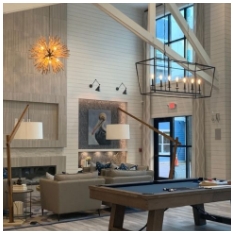
Commercial venues typically exceed minimum clearance requirements to accommodate multiple players and spectators. Home installations can work with minimum standards, but additional space always improves usability.
Understanding How Much Clearance Is Needed Around a Pool Table for Comfortable Play? helps bridge the gap between ideal and practical setups, ensuring the table functions well in any environment.
Final Thoughts
Planning clearance around a pool table is just as important as choosing the table itself. Adequate space enhances comfort, protects equipment, and preserves the integrity of the game. By considering table size, cue length, room dimensions, and layout adjustments, you can create a space that supports smooth and enjoyable gameplay.
Whether for casual home use or serious practice, proper clearance ensures that every shot feels natural and unrestricted.