Choosing the right pool cue can change the way you play the game. Whether you enjoy a casual match or practice regularly, the cue you use affects accuracy, comfort, and confidence. Many new players assume that any cue will work, but small differences in weight, shaft type, materials, and tip style can influence every shot. This article provides a complete Guide to Pool Cues: Types, Weights, and What to Buy, helping you understand what makes a cue suitable for your needs.
Understanding the Purpose of a Pool Cue
A pool cue is more than just a stick used to hit the cue ball. It is a tool that supports your technique and enhances control. A well-matched cue helps you maintain your stance, manage spin, and deliver constant force. When selecting a cue, it is helpful to know how each part contributes to overall performance.
Main Components of a Pool Cue
A standard cue includes the tip, ferrule, shaft, joint, butt, and bumper.
- Tip: The small, rounded part that strikes the cue ball. It affects control and spin.
- Ferrule: Located behind the tip, it absorbs shock.
- Shaft: Usually made of wood or composite materials. The shape and taper affect handling.
- Joint: Connects the shaft and butt.
- Butt: The thicker section providing grip.
- Bumper: Protects the cue from impact when placed down.
Understanding these parts helps you make better choices when comparing cues.
Types of Pool Cues
There are several cue types, each designed for a specific purpose. The choice depends on your style and the techniques you use.
Playing Cues
A playing cue is the most common type and is used for regular shots. These cues are balanced, comfortable, and built for repeated use. They typically come in two pieces for easy transport. If you are buying your first cue, a playing cue is usually the best option.
Break Cues
Break cues are built for powerful opening shots. They often have a harder tip and sturdier shaft to support strong force. The design reduces deflection and prevents damage when delivering high-impact hits. Adding a break cue to your setup helps maintain your main playing cue for precision shots.
Jump Cues
Jump cues are shorter and lighter, allowing you to lift the cue ball over blocking balls. They are designed for specific shot situations and offer better control when performing jump shots. Though not required for beginners, they can be useful for advanced gameplay.
Three-Piece Cues
Some cues include three sections instead of two. These are often used for break-jump combinations, offering versatility without carrying multiple cues.
Cue Materials and Their Impact
Materials influence the cue’s durability, weight distribution, and feel.
Maple Wood
Maple is the most traditional and popular choice. It offers a firm feel, good stability, and reliable straightness. Most high-quality cues use maple shafts.
Ash Wood
Ash cues show visible grain lines and offer a lighter feel. They are commonly used in snooker but can also be found in certain pool cues.
Fiberglass and Composite
Fiberglass cues resist warping and are durable, making them a good choice for beginners or players seeking low maintenance. Composite materials also provide consistent performance and are more resistant to environmental changes.
Carbon Fiber
Carbon fiber cues are gaining popularity for their low deflection and high durability. They remain straight even over long periods and offer smooth, consistent strokes. However, they tend to be more expensive.
Cue Weight and Balance
Selecting the right weight is a major part of choosing a cue. Weight affects how easily you can control your shot and how much force you apply.
Standard Cue Weight Range
Most cues weigh between 18 and 21 ounces. The ideal weight depends on your strength, stroke style, and comfort.
Lighter Cues
Cues in the 18–19 oz range feel easier to move and help with smooth, controlled strokes. Players who like finesse or who focus on spin often prefer lighter cues.
Heavier Cues
Cues in the 20–21 oz range add more natural force to your shots. These cues are popular for break shots or for players seeking steady, firm strokes. However, heavier cues may feel harder to maneuver for delicate shots.
Finding Your Balance Point
Balance refers to how the cue’s weight is distributed. A cue that feels front-heavy may help produce stronger hits, while a rear-balanced cue offers more control. Testing different cues before buying can help you identify what feels most natural.
Shaft Styles and Tapers
The taper of the shaft affects your stroke and the cue’s feel in your hand.
Pro Taper
This style keeps the shaft thickness consistent for a longer section, making it easier to stroke without resistance. Many professional players prefer pro tapers.
European Taper
This taper gradually increases toward the butt. It offers a firm feel and more feedback during shots. It is commonly used in snooker cues.
Low-Deflection Shafts
Low-deflection shafts reduce the sideways movement of the cue ball when applying spin. They help improve accuracy and are ideal for players who frequently use English (spin).
Cue Tip Options
Tips play a major role in cue ball control.
Soft Tips
Soft tips grip the cue ball better, offering greater spin potential. However, they wear out faster.
Medium Tips
Medium tips balance durability and control. They are suitable for most players and are a popular choice for general play.
Hard Tips
Hard tips offer less spin but last much longer. They are often used on break cues.
How to Choose the Right Pool Cue
Selecting the right cue depends on your experience level and personal comfort.
Try Before You Buy
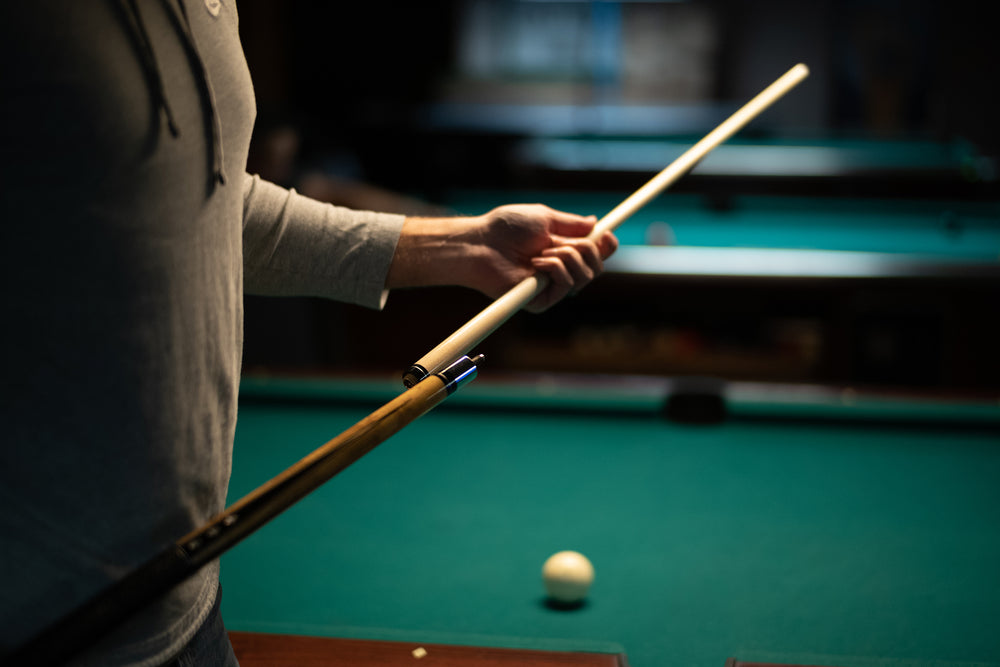
If possible, test cues at a local store or club. Pay attention to how the cue feels during your stroke, how the weight is distributed, and how easily you control the cue ball.
Consider Your Playing Style
- Players who use more spin may prefer lighter cues with soft or medium tips.
- Players who focus on strong, straight hits may prefer heavier cues with harder tips.
- For frequent competitions, a low-deflection shaft can improve accuracy.
Set a Practical Budget
Quality cues are available at various price points. You do not need the most expensive cue to play well. Focus on comfort, balance, and performance rather than appearance.
Final Thoughts
Choosing a pool cue is a personal decision. The right cue fits comfortably in your hand, supports your technique, and matches your style. By understanding materials, cue types, weights, and tip options, you can make a confident choice. Use this Guide to Pool Cues: Types, Weights, and What to Buy as a reference each time you explore new cue options or upgrade your equipment.