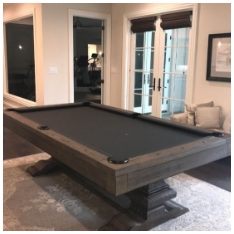
Buying a pool table is a long-term investment that affects both gameplay quality and the overall look of a room. Many buyers focus only on price or appearance, but the right decision depends on several technical and practical factors. This guide covers Everything you need to know to choose the perfect pool table. From table size and slate thickness to frame construction and room layout, each section is designed to help you make an informed and confident purchase.
Why Choosing the Right Pool Table Matters
A pool table is not just a piece of furniture. It is a precision gaming surface. The wrong size, poor slate quality, or weak frame can lead to uneven play, faster wear, and long-term dissatisfaction. Whether the table is for home recreation, a game room, or a commercial space, correct selection ensures consistent ball roll, durability, and a better playing experience.
Understanding Pool Table Sizes
Standard Pool Table Dimensions
Pool tables are typically categorized by playing surface length:
- 7-foot tables are common for homes with limited space
- 8-foot tables balance professional feel and residential practicality
- 9-foot tables are used in tournaments and large game rooms
The right size depends on both available space and intended use. Competitive players often prefer larger tables, while casual players benefit from easier positioning and shot reach on smaller ones.

Room Size Requirements
Beyond table dimensions, cue clearance is critical. A standard cue requires around five feet of space on all sides. Measuring the room carefully before purchase prevents movement restrictions and improves comfort during play.
Slate Quality and Playing Surface
Why Slate Matters
Slate is the most important component of a pool table. High-quality tables use natural slate, which provides a flat, stable surface. One-piece slate is common in smaller tables, while three-piece slate is used for larger models to improve leveling and transport.
Slate Thickness and Performance
Thicker slate offers better durability and resistance to warping. Entry-level tables may use thinner slate or engineered alternatives, while premium tables rely on thicker, tournament-grade slate for accuracy and longevity.
Frame, Cabinet, and Leg Construction
Solid Wood vs Engineered Materials
The table frame supports the slate and absorbs impact. Solid hardwood frames offer superior strength and stability, making them ideal for frequent play. Engineered wood options can reduce cost but may compromise long-term durability.
Leg Design and Stability
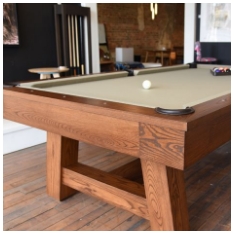
Strong legs with adjustable levelers help maintain a balanced playing surface. Decorative designs are appealing, but structural strength should always be the priority.
Cushion Quality and Ball Rebound
Rubber Cushions Explained
Cushions determine how balls rebound off the rails. Natural rubber cushions maintain elasticity longer and deliver consistent angles. Poor-quality cushions harden over time, reducing responsiveness and altering gameplay.
Rail Attachment and Alignment
Properly aligned rails ensure uniform rebound across the table. This detail is often overlooked but plays a significant role in shot accuracy.
Felt and Cloth Selection
Cloth Types and Weave
Worsted cloth offers a smoother, faster playing surface and is often preferred by experienced players. Woolen cloth is thicker and slower, making it more forgiving for beginners.
Color and Maintenance
Darker cloth colors hide stains better, while lighter shades improve ball visibility. Regular brushing and occasional replacement extend cloth life and preserve play quality.
Style, Design, and Room Integration
Matching the Table to Your Space
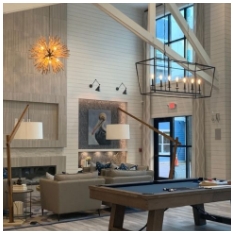
Pool tables come in traditional, modern, and hybrid designs. The right style should complement the room without overpowering it. Consider finishes, leg shapes, and rail profiles in relation to existing furniture.
Multi-Use Pool Tables
Some tables convert into dining or conference tables. These are practical for smaller homes, but buyers should ensure that conversion features do not compromise slate quality or stability.
Budget Considerations and Long-Term Value
Entry-Level vs Premium Tables
Lower-priced tables may suit occasional use, but serious players often find better value in mid-range or premium models. Higher-quality materials reduce maintenance costs and improve lifespan.
Delivery and Installation Costs
Professional installation is strongly recommended. Improper leveling can negate the benefits of even the best table, making installation part of the total budget calculation.
Conclusion
Selecting the right pool table involves more than choosing a size or finish. Slate quality, frame construction, cushions, cloth, and room planning all influence performance and durability. By understanding these factors, buyers can avoid common mistakes and invest confidently. This guide covers Everything you need to know to choose the perfect pool table, helping ensure a balanced combination of play quality, durability, and visual appeal.