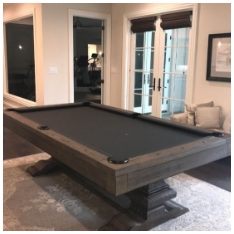
Pool tables are a popular addition to homes, bars, and recreational centers. Choosing the right table can make a significant difference in your playing experience. In this guide, we will discuss the different types of pool tables and what makes each unique, helping you make an informed decision.
Understanding Pool Table Sizes
Pool tables come in various sizes, and selecting the right size depends on your available space and intended use. Standard pool table sizes are measured in feet and typically range from 7 to 9 feet.
7-Foot Tables
Often referred to as “bar tables,” 7-foot pool tables are ideal for smaller spaces. They provide a good playing experience for casual players and are commonly found in home game rooms and bars.
8-Foot Tables
8-foot tables are a standard choice for many recreational settings. They offer a balance between playability and space requirements. Many players prefer 8-foot tables for home use as they provide a realistic game experience without taking up too much room.
9-Foot Tables
9-foot tables are considered regulation size for professional tournaments. They are perfect for serious players seeking an authentic experience. However, they require a larger space, usually 14 by 18 feet, to accommodate proper cue movement.
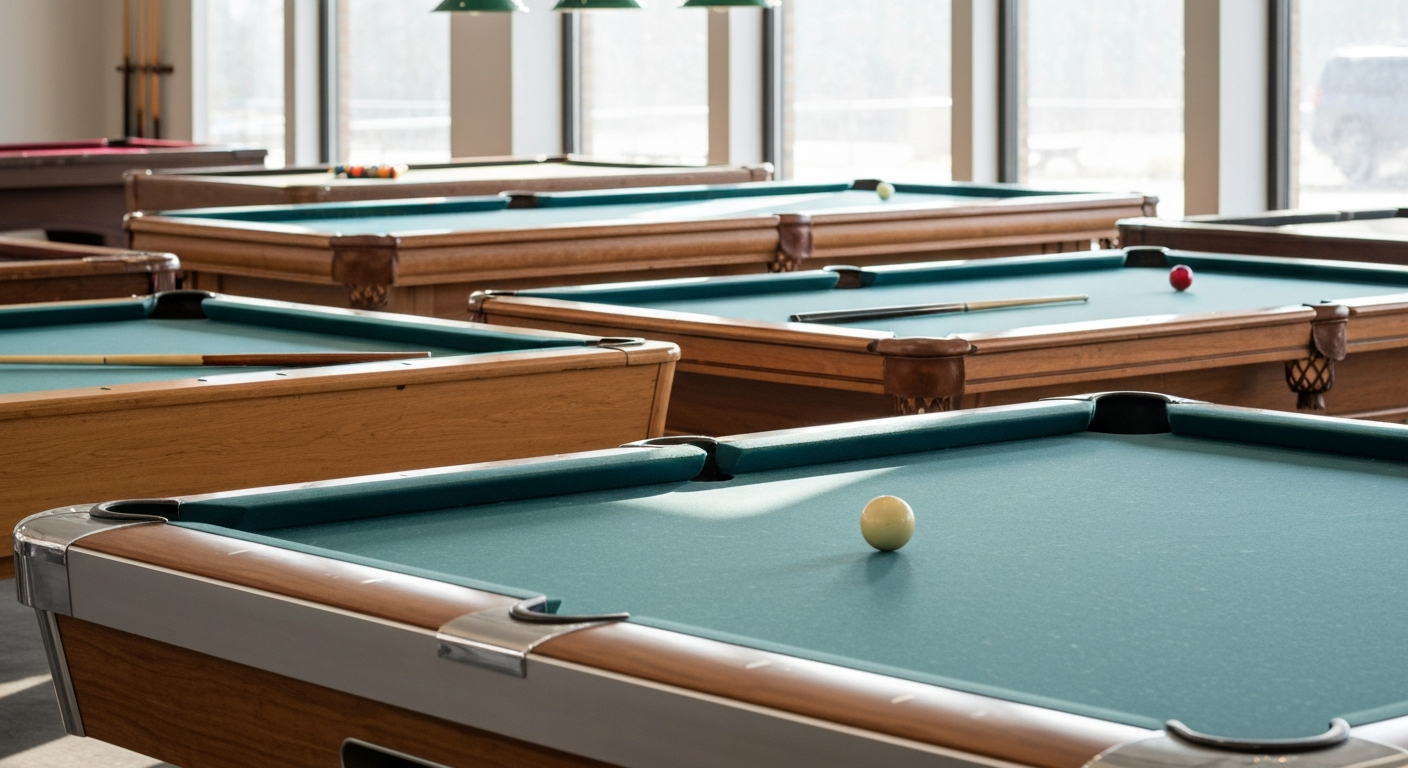
Materials Used in Pool Tables
The material of a pool table affects durability, appearance, and performance. Understanding these materials helps you select a table that fits your needs.
Slate Tables
Slate is the most common surface for high-quality pool tables. It provides a smooth, flat surface for accurate gameplay. Slate tables are heavy and durable, often lasting for decades with proper care.
MDF and Fiberboard Tables
Medium-density fiberboard (MDF) and other composite materials are lighter alternatives to slate. While they may not offer the same precision as slate, these tables are more affordable and easier to move. They are suitable for casual players or smaller spaces.
Wood and Cabinet Materials
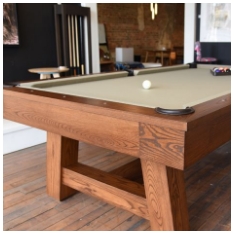
The exterior of a pool table can be crafted from different types of wood or laminate. Solid wood tables offer a classic look and durability, while laminated tables are more cost-effective and resistant to scratches. Choose a cabinet material that complements your interior design.
Different Pool Table Styles
Pool tables come in various styles, each designed to match different environments and preferences.
Traditional Tables
Traditional pool tables feature classic wood finishes and ornate details. They are often seen in home game rooms or private clubs. Their design emphasizes elegance and craftsmanship.
Modern Tables
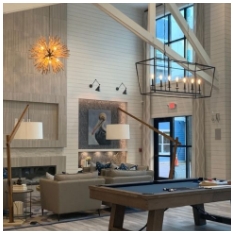
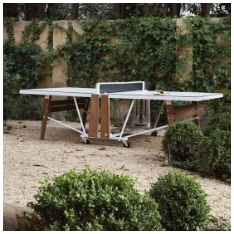
Modern tables focus on sleek designs and minimalistic aesthetics. They may include metal accents, contemporary colors, and compact forms, making them ideal for modern homes or commercial spaces with a contemporary theme.
Convertible Tables
Convertible or multi-purpose tables serve more than one function. For instance, some pool tables can be converted into dining tables or conference tables. These are perfect for spaces where versatility is important.
Choosing the Right Table for You
When deciding among the different types of pool tables, consider these factors:
- Space: Measure the room where the table will be placed. Ensure enough clearance for players to move comfortably.
- Skill Level: Beginners may prefer smaller, more affordable tables, while advanced players benefit from full-size slate tables.
- Budget: Pool tables range from a few hundred to several thousand dollars. Determine your budget and select a table that meets your requirements without compromising quality.
- Style: Consider your room’s décor and choose a table style that complements it.
Conclusion
Understanding the different types of pool tables explained: a complete guide helps you make an informed decision. Whether you are looking for a compact bar table, a traditional home centerpiece, or a professional-grade slate table, selecting the right table enhances your playing experience. Consider size, materials, style, and budget to find the perfect pool table for your needs.