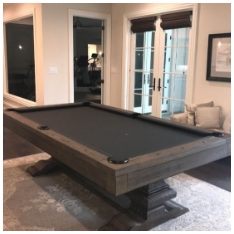
Setting up a pool table at home is an exciting investment for both entertainment and skill-building. However, many beginners focus only on the table and overlook one of the most important elements of the game the cue. Choosing the right cue stick can significantly affect your performance, control, and overall enjoyment. This article, Best Cues for Home Pool Tables: A Beginner's Guide, will help you understand everything you need to know before making your purchase.
Why Choosing the Right Pool Cue Matters
A pool cue is not just a stick; it is an extension of your hand. The right cue helps improve accuracy, consistency, and comfort while playing. Beginners often use any available cue, but having your own cue tailored to your needs can enhance your confidence and skill development.
For home setups, durability and ease of use are especially important, as cues may be used by multiple players with varying levels of experience.
Types of Pool Cues for Beginners
One-Piece Cues
One-piece cues are commonly found in pool halls. They are sturdy and cost-effective but not ideal for home use if you need portability or storage convenience.
Two-Piece Cues
Two-piece cues are the most popular choice for home pool tables. They can be easily separated into two parts, making them convenient to store and transport. These cues are recommended for beginners because they offer flexibility and a wide range of options.
Specialty Cues
Some cues are designed for specific shots, such as break cues or jump cues. Beginners do not need these immediately, but they can be considered later as skills improve.
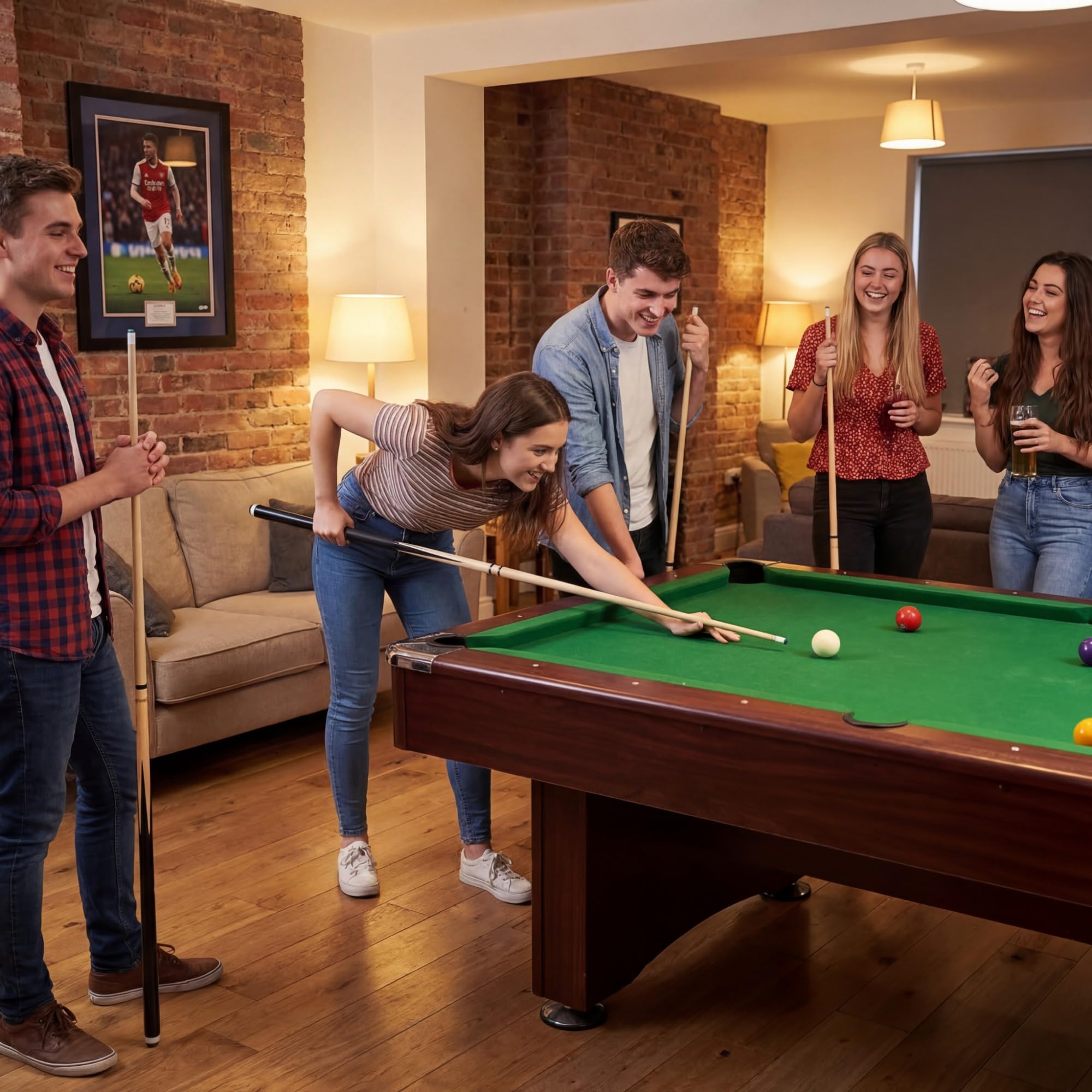
Key Features to Consider
Cue Weight
Pool cues typically weigh between 18 and 21 ounces. Beginners are usually comfortable with a 19-ounce cue, as it offers a good balance between control and power.
Cue Length
Standard cues are about 57–58 inches long. This length works well for most players, but shorter cues are available for compact spaces or younger users.
Tip Size and Material
The tip of the cue plays a crucial role in controlling the ball. Softer tips provide better spin but require more maintenance, while harder tips are more durable and easier for beginners to manage.
Shaft Material
Most cues are made from maple wood due to its strength and smooth finish. Some modern cues use fiberglass or carbon fiber for added durability and reduced warping.
Best Materials for Home Pool Cues
When choosing cues for a home environment, material quality is essential. Wooden cues offer a traditional feel and are widely used. However, fiberglass-coated cues are becoming popular for home setups because they resist scratches and moisture, making them easier to maintain.
Carbon fiber cues are also gaining attention, but they may be more expensive and are typically preferred by advanced players.
Budget Considerations
Beginners do not need to invest heavily in their first cue. A mid-range cue provides good performance without unnecessary expense. As skills improve, upgrading to a higher-quality cue can be considered.
It is better to focus on balance, comfort, and durability rather than brand names or advanced features at the beginning.
Maintenance Tips for Long-Lasting Use
Proper maintenance ensures that your cue remains in good condition for years. Here are some simple tips:
- Store cues in a vertical rack to prevent warping
- Keep them away from extreme heat or humidity
- Clean the shaft regularly with a soft cloth
- Replace the tip when it becomes worn out
Maintaining your cue not only preserves its quality but also ensures consistent performance during play.
Common Mistakes Beginners Should Avoid
Many beginners make avoidable mistakes when selecting cues. These include:
- Choosing a cue that is too heavy or too light
- Ignoring tip quality
- Buying low-quality cues that warp easily
- Not considering storage and maintenance needs
Understanding these factors can help you make a more informed decision.
Final Thoughts
Selecting the right cue is an important step in creating a satisfying home pool experience. This guide, Best Cues for Home Pool Tables A Beginner's Guide, highlights the essential factors to consider, from cue types and materials to maintenance and budget.
By choosing a cue that fits your comfort and playing style, you can improve your skills and enjoy the game more fully. Whether you are playing casually with friends or practicing regularly, the right cue will make a noticeable difference.