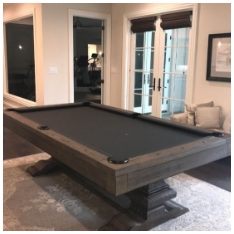
A Pool Table You Don’t Have to Apologize For
Designed to live in the room—and built to play the game.
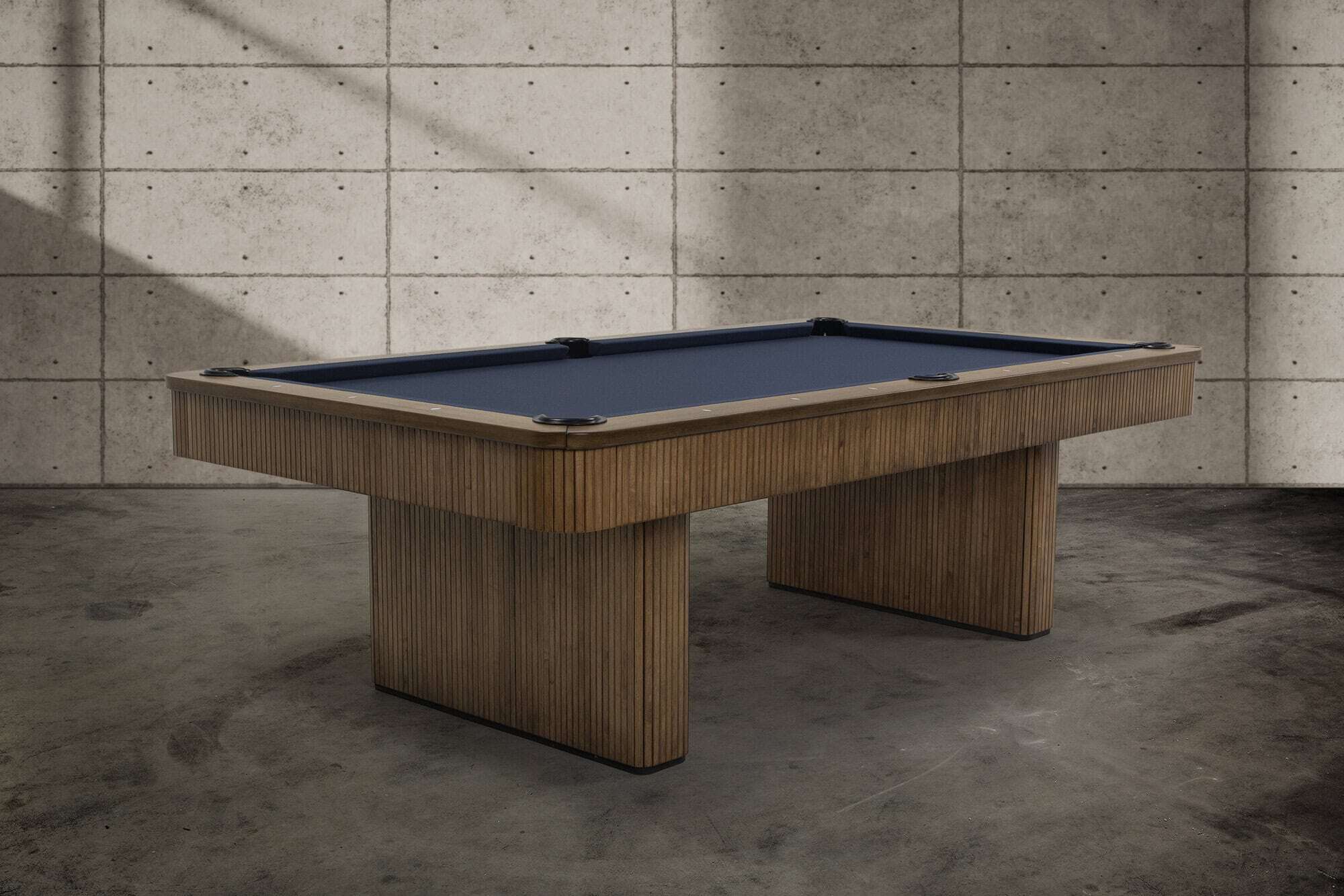
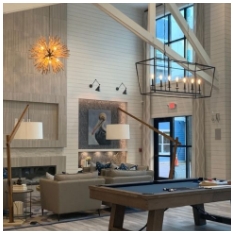
Picture a space late in the afternoon. Light coming in low. Music on, not loud. A drink gets poured. Someone reaches for a cue.
It might be a home. It might be a hotel lounge. It might be a private office or club. The table sits right where it belongs—not hidden, not explained, not worked around.
That wasn’t always the case.
The Old Compromise
For years, owning a pool table meant making a trade. You got the game, but you gave up the room. Heavy frames. Busy details. Tables that played fine but never quite belonged.
So they were pushed downstairs. Or tucked into back rooms. Or limited to commercial spaces where durability mattered more than design.
Then the spaces changed.
When Design Started Leading—Everywhere
Homes opened up. Commercial interiors followed. Hotels, offices, and lounges began borrowing from residential design—warmer materials, better proportions, fewer visual excuses.
Over time, brands like Restoration Hardware, Pottery Barn, and Crate & Barrel reshaped how people expected furniture to feel, while design-driven houses such as Bernhardt and Hooker reinforced the value of restraint, material honesty, and longevity.
Once that standard was set, billiards had to catch up—whether the table lived in a living room or a thoughtfully designed commercial space.
The New Look of the Game
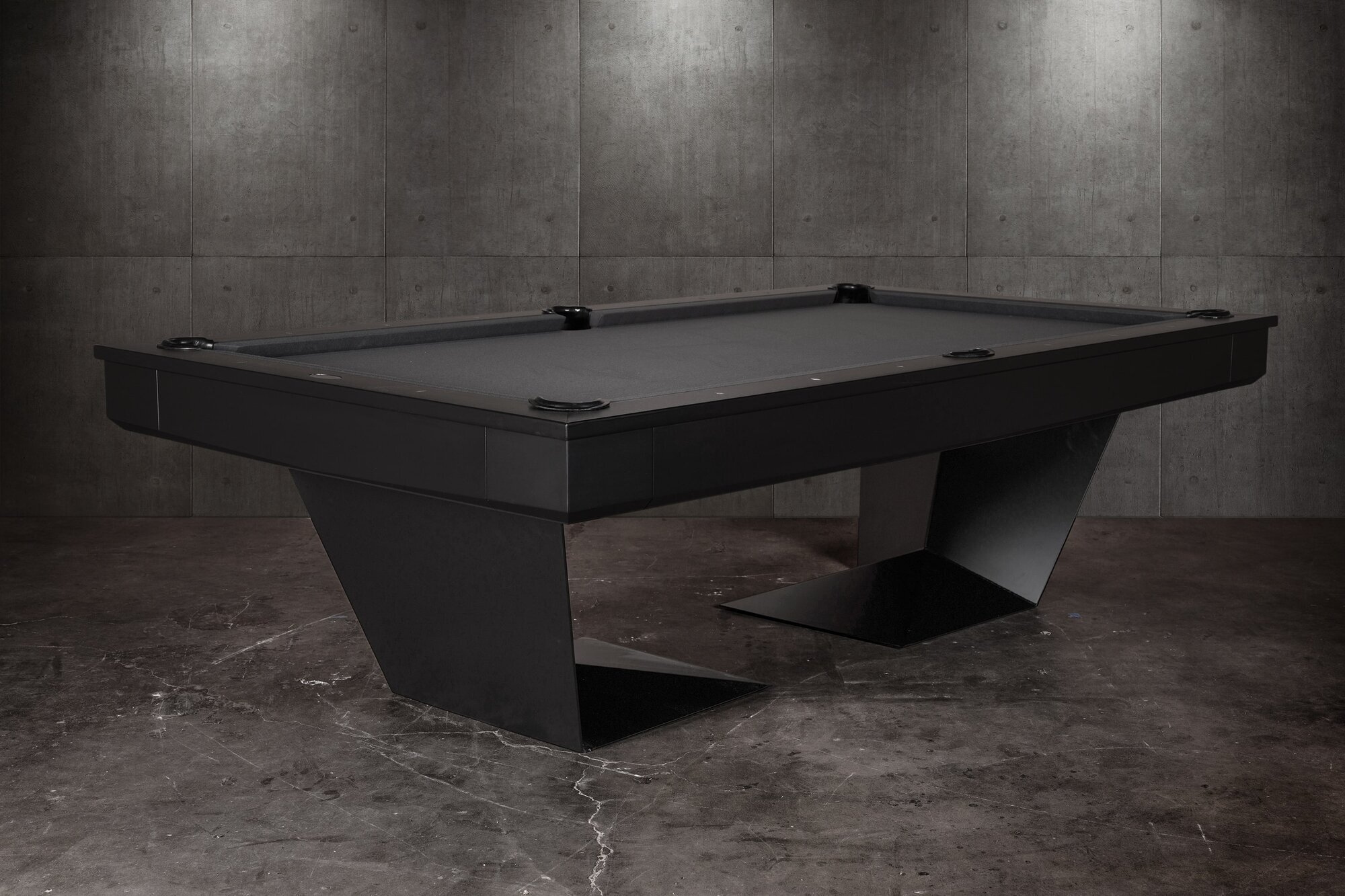
The answer wasn’t novelty. It was furniture thinking.
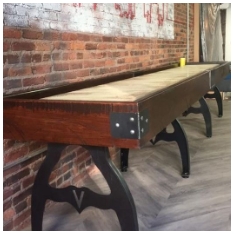
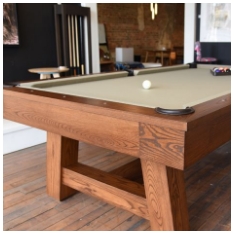
Steel-based legs replaced bulky frames, giving tables a lighter, architectural presence. Reeded details added texture without noise. Wood finishes were chosen to sit comfortably alongside flooring, cabinetry, and lighting—at home or in public-facing interiors.
And beneath it all, the part that still matters most: a table that plays the way it should.
Good Design Is Easy. Playing Well Is Not.
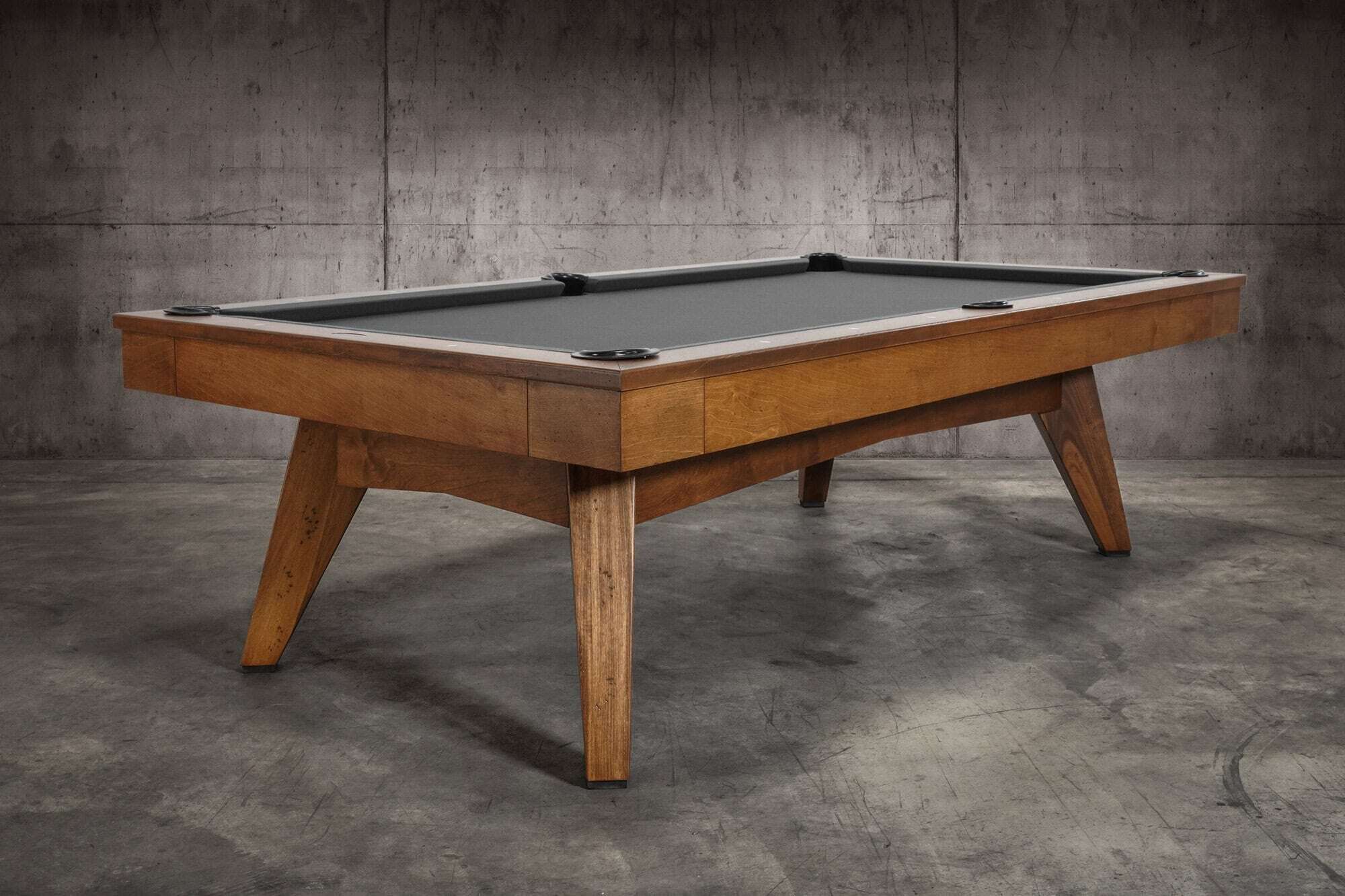
Anyone can make a table look good. Serious players—and serious spaces—know that isn’t the hard part.
The real work is building something refined that holds up to real use, real play, and real expectations, night after night.
Doc & Holliday, Curated the Right Way
Doc & Holliday Billiards was built for this intersection. Tables designed to respect the room without forgetting the game.
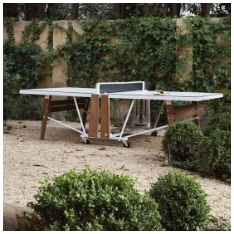
The collection spans both American-made craftsmanship and select imported designs, unified by thoughtful proportions, durable materials, and playability trusted in private homes and commercial environments alike.
Alongside that, more contemporary silhouettes—such as those found within the Nixon Billiards collection—offer a cleaner, more architectural expression for modern spaces that lean understated and intentional.
Different settings. Same expectation: it should feel right in the room—and right on the break.
The Sawyer Twain Point of View
Sawyer Twain exists at the intersection of design and play. Not as a catalog, but as a curator. We work with a limited group of makers and collections because not every table earns a place in the room—or in our lineup.
That point of view shapes everything we do, from the brands we represent to the exclusive configurations we offer and the environments we help furnish. It’s why designers, homeowners, and commercial clients come to us when the space matters as much as the game.
When it’s done right, nobody explains the table. Nobody defends it. They just play.
To explore the full Doc & Holliday collection curated by Sawyer Twain, you can view it here.
Brand names referenced are used for editorial and contextual purposes only.