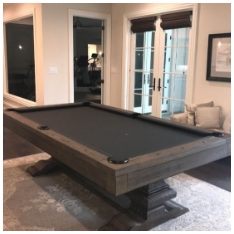
Buying a home pool table is a long-term purchase that can improve a games room, create a social space at home, and provide years of use. However, because pool tables can be a significant expense, many buyers prefer to spread the cost instead of paying the full amount upfront. That is where understanding your finance options becomes important. A Guide To Finance Options On Home Pool Tables, helping you understand common payment methods, financing structures, and practical points to consider before making a decision. Whether you are purchasing your first table or upgrading to a higher-quality model, knowing how financing works can help you choose an option that fits your budget.
Why Buyers Consider Financing for Home Pool Tables
A pool table is not only about the base purchase price. In many cases, the total cost also includes delivery, installation, accessories, maintenance supplies, and sometimes room preparation. Because of this, financing can make the purchase more manageable.
Many buyers choose financing because it allows them to:
- spread the cost over several months
- avoid paying a large amount in one transaction
- purchase a better-quality table than they could with immediate cash payment
- keep household savings available for other priorities
For some households, financing is simply a budgeting tool. Rather than delaying the purchase for several months or years, buyers can bring the table home sooner and pay for it in fixed instalments.

Common Finance Options Available for Home Pool Tables
There are several ways to finance a pool table purchase. The right option depends on your budget, credit profile, and preferred repayment structure.
Credit Card Payments
One of the most common methods is using a credit card. This may be suitable for buyers who want flexibility or who already have access to a card with a low interest rate. Some card providers also offer introductory interest-free periods.
However, buyers should be careful. If the outstanding balance is not cleared within the promotional period, the interest cost can increase the total amount paid. It is important to review the annual percentage rate, repayment deadlines, and any late payment charges.
Retail Financing Plans
Some pool table retailers partner with financing providers to offer instalment plans directly at checkout. These plans may include fixed monthly payments over a set term, such as 6, 12, 24, or 36 months.
Retail financing can be useful because it is directly linked to the purchase process. In some cases, promotions may include low-interest or deferred-interest offers. Buyers should still read the terms carefully, especially to understand whether interest is waived or only postponed.
Buy Now, Pay Later Services
Some buyers may also consider buy now, pay later services. These usually split the total cost into smaller short-term payments. This option can be useful for lower-priced tables or accessory bundles.
That said, this route is best approached carefully. Missed payments may lead to penalties, and short repayment periods may put pressure on your monthly budget. It is always wise to confirm the exact repayment schedule before selecting this option.
What to Check Before Choosing a Finance Plan
When using A Guide To Finance Options On Home Pool Tables as a starting point, it is important to look beyond the advertised monthly amount. A lower monthly figure does not always mean a better deal.
Here are the key points to check:
Interest Rate
The interest rate affects the total amount you will repay. Even a small difference in rate can have a noticeable impact over time. Always compare the total repayment amount, not only the monthly instalment.
Loan Term
A shorter term may mean higher monthly payments but lower total interest. A longer term may reduce the monthly burden while increasing the total cost. Choose a term that fits your cash flow without stretching your budget.
Fees and Penalties
Some finance plans include processing charges, early repayment fees, or late payment penalties. These additional costs can change the value of the offer. Review all charges before signing any agreement.
Down Payment Requirements
Some financing providers ask for an upfront payment. This can reduce the amount you borrow and lower your monthly instalments. If you have savings set aside, a moderate down payment may improve the terms of your financing.
Planning the Full Cost of Ownership
A home pool table purchase should be evaluated as a complete investment rather than as a product-only expense. Along with the table itself, consider related costs such as:
- delivery and setup
- cue sticks, balls, racks, and covers
- room lighting and flooring protection
- future cloth replacement or table servicing
When reviewing A Guide To Finance Options On Home Pool Tables, buyers should calculate these extra costs in advance. This gives a more realistic budget and helps avoid financing only part of the total expense.
How to Choose the Right Option for Your Budget
The right finance choice depends on how comfortably the repayment fits into your monthly expenses. Begin by setting a realistic limit based on your income and essential commitments. Then compare financing offers based on total repayment cost, not just how attractive the monthly payment appears.
It is also useful to think about how long you plan to keep the table. Since pool tables are durable products, a well-chosen model can offer long-term value. Still, it is better to avoid overcommitting financially for features you may not need.
Final Thoughts
Understanding financing before you buy can help you make a more informed decision. A Guide To Finance Options Home Pool Tables is not only about identifying available payment methods but also about reviewing the total cost, repayment terms, and practical impact on your budget.
Whether you choose a credit card, retail financing, personal loan, or another payment structure, the goal should be the same: to purchase a quality home pool table in a way that remains affordable and financially sensible. Careful comparison and clear budgeting can help you enjoy the purchase without unnecessary financial pressure.