8-Ball Pool is one of the most widely played cue-sports formats. Anyone can learn it, but understanding its rules and terminology is important if you want a clear approach to the game. This guide explains 8-Ball Pool Basic Rules and Terms, the layout of a pool table, and how a match progresses from the break to the final shot.
Understanding the Pool Table Setup
Before learning any rules, it helps to understand the table where the game is played. Every standard pool table is built with consistent markings that influence the flow of the game.
Table Structure
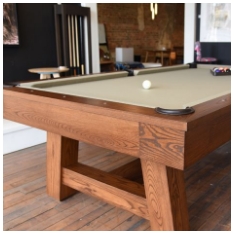
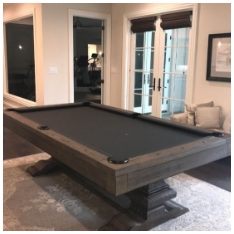
A pool table has six pockets — one in each corner and one on each side. The playing cloth is divided into two halves:
- Head Area: The section where players place the cue ball during a break or after certain fouls.
- Foot Area: The end where the racked balls are placed.
- Foot Spot: A marked point where the apex ball of the rack sits.
The Rack
For 8-Ball Pool, the fifteen object balls are arranged in a triangle. The 8-ball is placed in the center of the rack. One solid ball and one striped ball must be placed in the two back corners of the triangle. This prevents any unfair advantage during the break.
Basic Rules of 8-Ball Pool
The format is simple: one player pockets solids, the other pockets stripes. The player who legally pockets all their designated balls and then sinks the 8-ball wins the match.
The Break Shot
The game begins with the break. The cue ball is placed in the head area, and the player must drive the cue ball into the rack. A legal break requires:
- At least four balls to hit a cushion, or
- At least one ball to be pocketed.
If the cue ball is pocketed on the break, the incoming player receives ball-in-hand behind the head string. The table remains “open,” meaning no group (solids or stripes) has been assigned yet.

Table Open Rule
After the break, the first legally pocketed ball determines the group. If the player pockets a solid, they play solids for the rest of the match. If they pocket a striped ball, they play stripes.
If both types are pocketed in one shot (after the break), the table continues to remain open until a player chooses and legally pockets a ball from a specific group.
Legal Shots
For every shot after groups are assigned, the player must:
- Hit the cue ball into their own group of balls first,
- Ensure that an object ball or the cue ball hits a cushion after contact,
- Avoid pocketing the cue ball (foul).
If a player fails to meet these requirements, it counts as a foul.
Fouls
Common fouls include:
- Pocketing the cue ball
- Striking the opponent’s group first
- No ball contacting a cushion after impact
- Hitting the 8-ball first before clearing the group
- Jumping the cue ball off the table
After a foul, the opponent receives ball-in-hand, meaning they can place the cue ball anywhere on the table and shoot from that position. This can shift the momentum of the match.
The Role of the 8-Ball
When to Shoot the 8-Ball
After a player pockets all seven balls of their group, the next objective is to legally pocket the 8-ball. The player must call the intended pocket. If the 8-ball is pocketed in the wrong pocket or knocked off the table, the game is lost.
Losing Conditions
A player loses the match if:
- The 8-ball is pocketed early,
- The 8-ball leaves the table at any time,
- The 8-ball is pocketed on the same shot as the last group ball,
- A foul occurs while pocketing the 8-ball.
Winning requires patience, control, and accuracy.
How to Approach a Game Strategically
While 8-Ball Pool is simple to understand, strategic play makes a difference as the game progresses. Beginners often focus only on pocketing balls quickly, but skilled players prioritize control and positioning.
Focus on Cue Ball Control
The outcome of the next shot depends heavily on where the cue ball stops. Good positioning allows smoother transitions between shots.
Clear Blockers Early
Sometimes an opponent’s ball may block your path. Removing such obstacles early in the game prevents difficulties later.
Plan the 8-Ball Position
Before shooting your final group ball, ensure the cue ball ends in a good position for the 8-ball shot. Poor planning at this stage often results in missed opportunities.
Final Thoughts
8-Ball Pool remains a familiar and enjoyable cue sport because it balances simplicity with skill. Understanding the basic rules, learning the meaning of standard terms, and knowing how a pool table is set up will help any player enjoy the game while developing a more structured approach.
This guide covers everything a beginner needs to get started with confidence. By practicing steadily and following these rules, anyone can improve their understanding and appreciation of this classic format.