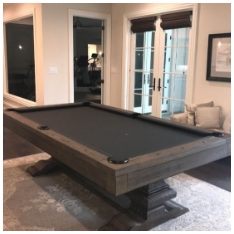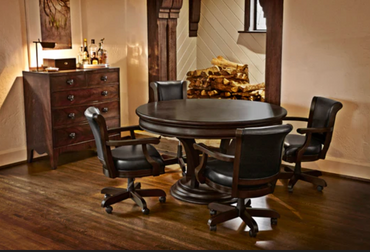
Poker is a game of skill, strategy, and sustained focus. While cards and chips form the core of the game, the environment in which poker is played has a direct impact on player performance and enjoyment. One often overlooked yet essential element is the poker table itself. Understanding How Poker Tables Elevate Your Gaming Experience helps players appreciate why table quality, design, and functionality matter in both casual and professional settings.the role poker tables play in improving gameplay, comfort, and overall efficiency, while also outlining key features and types to consider.
Why Poker Tables Matter in Poker Games
A poker table is not just a surface to place cards. It acts as the central structure around which the entire game flows. The right table supports smooth gameplay, maintains fairness, and reduces distractions.
Supporting Gameplay Flow
A well-designed poker table ensures that cards, chips, and player positions are clearly defined. This reduces confusion during betting rounds and allows dealers or players to manage the game more efficiently. Clear boundaries and designated spaces help maintain consistency, especially during longer sessions.
Enhancing Player Focus
Comfort plays a critical role in poker, particularly in games that last several hours. Poker tables with proper padding and spacing allow players to remain focused without physical discomfort. When players are not distracted by awkward seating or cluttered surfaces, decision-making improves.
Key Features That Improve the Poker Experience
Not all poker tables offer the same benefits. Certain features significantly enhance usability and comfort.
Table Surface and Padding
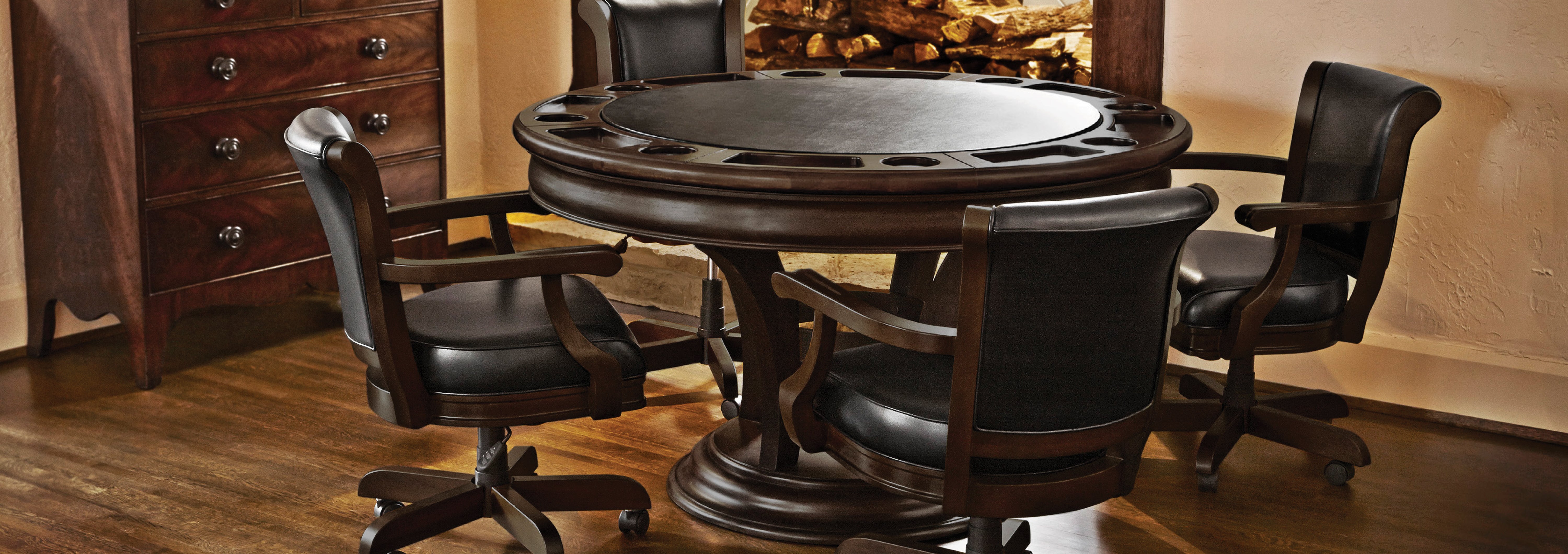
Most quality poker tables use felt or speed cloth surfaces. These materials allow cards to slide smoothly and reduce wear over time. Padded rails around the table provide arm support, helping players stay relaxed throughout the game.
Chip and Cup Holders
Built-in chip trays and cup holders keep the table organized. This minimizes spills and prevents chips from mixing, which is especially important in games with multiple players and denominations.
Table Size and Player Capacity
Poker tables are designed to accommodate different numbers of players, typically ranging from six to ten seats. Choosing the right size ensures adequate space for each player, reducing crowding and maintaining fair play.
Types of Poker Tables and Their Uses
Different playing environments require different table types. Understanding these variations helps players select the most suitable option.
Home Poker Tables
Home poker tables are designed for convenience and space efficiency. Many are foldable or convertible, making them ideal for casual games. Despite their compact design, quality home tables still provide padded rails and smooth playing surfaces.
Casino-Style Poker Tables
Casino tables are built for durability and frequent use. They feature professional-grade materials, fixed legs, and precise layouts. These tables support consistent gameplay and are designed to handle high traffic without compromising performance.
Tournament Poker Tables
Tournament tables prioritize uniformity. Identical table layouts ensure fairness across all players. These tables often include clearly marked betting lines and dealer positions to maintain structure during competitive play.
How Poker Tables Improve Game Fairness
Fairness is essential in poker, and table design contributes more than many players realize.
Clear Player Positioning
Standardized seating positions help maintain consistent betting order and dealer rotation. This eliminates confusion and ensures every player follows the same rules throughout the game.
Organized Card and Chip Handling
Poker tables provide designated areas for cards, pots, and player stacks. This reduces disputes and ensures transparency during betting and payouts.
Comfort and Ergonomics in Poker Tables
Long poker sessions demand physical comfort. Ergonomic table design helps players maintain proper posture and reduces fatigue.
Rail Height and Arm Support
Proper rail height allows players to rest their arms naturally. This reduces strain and helps maintain focus during extended games.
Seating Compatibility
Poker tables are typically designed to work with standard poker chairs or stools. Proper alignment between table height and seating improves overall comfort and reduces unnecessary movement.
Choosing the Right Poker Table for Your Needs
Selecting a poker table depends on how and where you play.
Consider Available Space
Measure your playing area before choosing a table. Ensure there is enough room for seating and player movement around the table.
Match Table Type to Usage
Casual players may prefer portable or foldable tables, while dedicated players might invest in permanent or casino-style options. The frequency and seriousness of play should guide the decision.
Focus on Build Quality
Durable materials, stable legs, and high-quality surfaces ensure the table remains functional over time. Investing in a well-built table reduces long-term replacement costs.
Long-Term Value of a Quality Poker Table
A good poker table enhances consistency and reliability across games. Over time, players become familiar with the layout, improving efficiency and reducing errors. For regular players, this familiarity translates into a smoother and more enjoyable experience.
Understanding How Poker Tables Elevate Your Gaming Experience highlights why tables are more than accessories. They support fairness, comfort, organization, and focus key elements that define successful poker sessions.
Final Thoughts
Poker tables play a central role in shaping how the game is played and experienced. From improving comfort and organization to supporting fair and efficient gameplay, the right table makes a measurable difference. Whether for home games or competitive environments, choosing a suitable poker table is an investment in better gameplay and sustained enjoyment.