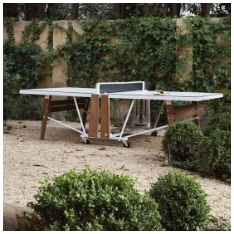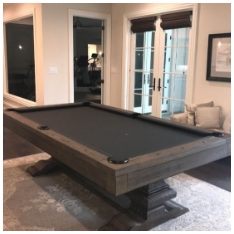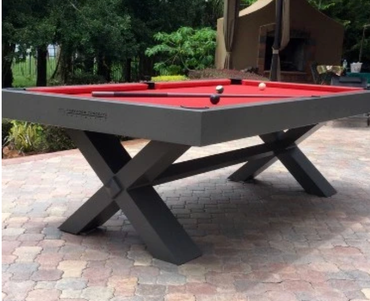
An outdoor pool table is designed to handle conditions that would quickly damage a standard indoor table. However, that does not mean every outdoor pool table can be left completely exposed in all seasons without maintenance or protection.
So, Can an Outdoor Pool Table Stay Outside Year-Round? In many cases, yes, provided the table is specifically manufactured for outdoor use and receives suitable protection from rain, moisture, sunlight, dirt, and extreme temperatures. The quality of its materials, placement, climate, and maintenance routine all influence how well it performs over time.
Understanding these factors can help homeowners decide whether an outdoor pool table can remain outside permanently or should receive additional seasonal protection.
What Makes a Pool Table Suitable for Outdoor Use?
Outdoor pool tables are built differently from traditional indoor models. Indoor tables are generally designed for controlled environments where humidity, direct sunlight, and rainfall are limited.
Outdoor models typically use weather-resistant materials that are less likely to warp, rust, fade, or deteriorate when exposed to changing conditions.
Common outdoor-friendly materials may include:
- Powder-coated aluminium or steel frames
- Marine-grade or moisture-resistant components
- Weather-resistant playing surfaces
- Exterior-grade fabrics
- Corrosion-resistant hardware
- Water-resistant cushions and rails
These materials help the table cope with outdoor conditions, but they do not make it completely maintenance-free.
Why Standard Indoor Tables Should Not Stay Outside
Traditional pool tables often contain wood, felt, adhesives, and other materials that can absorb moisture. Continuous exposure may cause wood to swell, playing surfaces to become uneven, and fabric to develop mildew or lose tension.
Even when placed beneath a covered patio, an indoor table can be affected by humidity and temperature changes. For permanent outdoor installation, a purpose-built outdoor model is generally the more appropriate choice.

Can an Outdoor Pool Table Handle Rain?
Many outdoor pool tables are manufactured to tolerate occasional rain, but regular exposure to standing water should still be avoided.
Rain can leave dirt, minerals, and debris on the playing surface. Over time, repeated moisture exposure may also affect seams, fasteners, cushions, or other components.
A waterproof or weather-resistant cover is therefore useful even when the table itself is built for exterior use.
Covering the table after play helps reduce unnecessary exposure and can make routine cleaning easier.
Keep Water From Collecting on the Cover
A cover should fit securely and allow water to drain rather than collect in the middle.
Standing water can place pressure on the table surface and may eventually work through weak points in the cover. A raised centre support can sometimes help create a slope that directs rainwater away from the table.
How Does Sunlight Affect an Outdoor Pool Table?
Direct sunlight can gradually affect both appearance and performance.
Extended UV exposure may fade playing surfaces, weaken some materials, and make certain components age faster. Darker surfaces can also become very hot during summer, making the table uncomfortable to use during the warmest part of the day.
Whenever possible, position the table under a pergola, covered patio, veranda, or other partially shaded location.
This does not necessarily mean the table must be enclosed. Even moderate shade can reduce exposure to strong sunlight and help preserve the finish.
What About Cold Weather and Winter Conditions?
Cold climates create a different set of concerns.
An outdoor pool table may remain outside during winter if its manufacturer has designed it for year-round exposure. However, freezing temperatures, snow, ice, and repeated freeze-thaw cycles can still place stress on materials.
Snow should not be allowed to remain piled on the table for long periods. Its weight can place unnecessary pressure on the cover and playing surface.
In regions with severe winters, homeowners may choose to add a heavier seasonal cover or move removable accessories indoors.
Always follow the care instructions provided for the specific table model.
Humidity Can Also Affect Outdoor Pool Tables
Rain is not the only source of moisture.
High humidity can influence the table even when it is positioned under shelter. This is particularly relevant in coastal areas or regions with long humid seasons.
Corrosion-resistant frames and moisture-resistant playing materials can reduce the impact, but regular inspection is still important.
Look for early signs of corrosion, mould, loose hardware, or changes in the playing surface before they become larger maintenance issues.
Choose the Right Location for Year-Round Placement
Where the table is installed can be almost as important as how it is constructed.
A good outdoor location should provide a firm, level surface and reasonable protection from severe weather.
Suitable areas may include:
- Covered patios
- Poolside entertainment spaces
- Pergolas
- Outdoor game rooms
- Large verandas
- Partially enclosed terraces
Avoid placing the table directly beneath trees if possible. Leaves, pollen, sap, bird droppings, and small branches can increase cleaning requirements.
Make Sure the Ground Is Level
Pool requires a level playing surface. A table placed on uneven paving or unstable ground may shift over time.
Concrete, stable stone paving, or another firm outdoor surface generally provides better support than soft ground.
Check the table level periodically, particularly after heavy rain or seasonal ground movement.
Use a Suitable Outdoor Pool Table Cover
A properly fitted cover is one of the simplest ways to protect an outdoor pool table throughout the year.
The cover helps shield the surface from rainfall, UV exposure, dust, insects, leaves, and other outdoor debris.
Look for a cover designed for exterior use rather than a lightweight indoor dust cover. It should provide good coverage while allowing appropriate ventilation.
A cover that traps moisture underneath may contribute to condensation, so airflow should also be considered.
Maintain the Table Regularly
Even weather-resistant pool tables need basic care.
Regularly clean the playing surface according to the manufacturer's instructions. Remove leaves and debris promptly, inspect the frame and hardware, and check whether the table remains level.
Avoid using harsh household cleaners unless they are specifically approved for the table's materials.
After periods of severe weather, inspect the table before playing. This can help identify loose fittings, accumulated moisture, or surface changes early.
Should You Bring Accessories Indoors?
Pool cues, balls, racks, chalk, brushes, and other accessories may not have the same weather resistance as the table.
Keeping these items indoors or inside a weatherproof storage cabinet can help prevent damage.
Pool cues are particularly sensitive to moisture and temperature fluctuations. Long-term exposure may cause wooden cues to warp, affecting their straightness and performance.
Conclusion
So, Can an Outdoor Pool Table Stay Outside Year-Round? A properly designed outdoor model usually can, but its durability depends on the materials, climate, location, protection, and maintenance it receives.
Using a weather-resistant cover, choosing a sheltered and level location, removing debris, monitoring moisture, and protecting accessories can all help extend the table's usable life.
For areas with heavy rain, intense sunlight, snow, or extreme temperature changes, additional seasonal protection may be worthwhile. Most importantly, follow the manufacturer's care guidelines for the specific table, as outdoor durability can vary considerably between models.