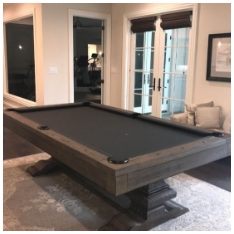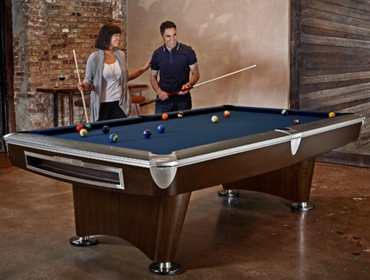
Snooker and pool are both cue sports played on tables with pockets, but they differ significantly in equipment, playing surface, rules and space requirements. Although the games may appear similar to a beginner, the tables are designed differently to support the skills and formats of each sport.
Choosing between a snooker table and a pool table depends on the game you want to play, the room available and the experience level of the players. A full-size snooker table requires considerably more floor space and demands greater precision. Pool tables are available in more compact sizes and are often a practical choice for homes, clubs and recreational areas.
Table Size Is the Main Difference
One of the most noticeable differences is the size of the playing surface. A standard full-size snooker table measures 12 feet by 6 feet. It is considerably larger than most pool tables and requires a spacious room for comfortable play.
Pool tables are available in several sizes. Common options include:
- 7-foot pool tables: Often used in pubs, game rooms and smaller homes
- 8-foot pool tables: A popular size for home use
- 9-foot pool tables: Common in competitive pool settings
The larger snooker table makes shots more challenging because the balls must travel greater distances. Players need better cue control, positioning and accuracy to score consistently.
When measuring a room, do not consider only the table dimensions. You also need sufficient clearance around all sides for cue movement. A full-size snooker table usually needs a much larger room than an 8-foot pool table.
Key Differences Between Snooker and Pool Tables Explained by Pocket Design
Pocket construction affects the difficulty and style of play. Snooker pockets are generally narrower and have rounded openings. The jaws of the pockets make it harder to pot balls, especially when the object ball is close to the cushion or approaching at an angle.
Pool table pockets are typically wider and more forgiving. This supports the faster pace of pool games and accommodates larger balls. However, pocket size can vary depending on the type of pool table and whether it is designed for casual or tournament play.
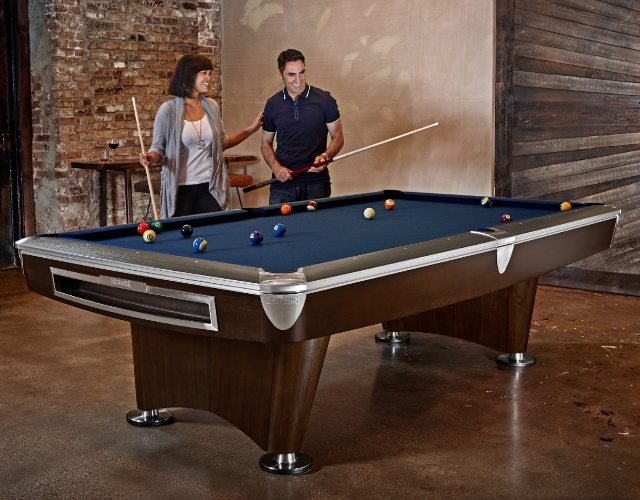
Snooker Pockets Require Greater Precision
On a snooker table, a ball needs to enter the pocket on a more accurate line. Even a small error in aim can cause the ball to strike the pocket jaw and stay on the table.
This design is one reason why snooker is often considered technically demanding. The player must control both the potting angle and the position of the cue ball for the next shot.
Pool Pockets Support Faster Play
Pool pockets are usually wider, allowing players more margin for error. This does not make pool easy, as cue-ball control, spin and tactical shot selection remain important. However, the table design allows for a different rhythm of play, particularly in games such as eight-ball and nine-ball.
Cloth Type and Playing Speed
Snooker and pool tables often use different cloth types. Traditional snooker tables are commonly covered with a napped cloth. This surface has fibres that run in one direction, which can affect how the ball rolls. Players must account for the direction of the nap when planning shots.
Pool tables usually use a smoother, faster cloth without a pronounced directional nap. The surface allows balls to travel more freely and can make certain types of spin more noticeable.
The cloth colour may also differ. Green is strongly associated with snooker tables, although other colours are available. Pool tables can be covered in green, blue, red, grey or other shades, depending on the setting and personal preference.
Ball Size and Number of Balls
The ball sets used for snooker and pool are different in both size and composition.
Snooker is played with 22 balls:
- One white cue ball
- Fifteen red balls
- Six coloured balls
The coloured balls have set values, and players score by potting reds and colours in a specific sequence. The game rewards careful break-building, positional play and tactical safety shots.
Pool is usually played with 16 balls:
- One white cue ball
- Fifteen object balls
The object balls are commonly divided into solids and stripes, with the black 8-ball used in eight-ball pool. Other pool variations, such as nine-ball, use fewer numbered balls and follow different rules.
Pool balls are generally larger than snooker balls. The larger size suits the pool table’s pocket design and playing format.
Cue Differences
Snooker cues are usually slimmer at the tip than pool cues. This is because snooker balls are smaller and the game requires delicate cue-ball control over longer distances.
Pool cues tend to have slightly wider tips to suit larger balls and more forceful break shots. Pool players may also use specialised cues, such as a break cue for opening shots and a jump cue for certain advanced situations.
While it is possible to notice the difference visually, the cue choice should also be based on comfort, balance and playing style. A beginner may prefer a standard cue before investing in specialised equipment.
Cushion Design and Table Construction
Snooker tables use cushions shaped to support precise rebound angles and the game’s smaller balls. The table is commonly built with a slate bed, providing a flat and stable playing surface.
Many quality pool tables also use slate beds, particularly competition and higher-end models. However, some recreational pool tables use alternative materials to reduce cost and weight.
The construction of the frame, legs and cushions affects play quality. A stable table with level slate and responsive cushions is important regardless of whether you choose snooker or pool.
Which Table Should You Choose?
A snooker table may be suitable if you have a large room, enjoy a slower and more strategic game, and want the challenge of a larger playing surface. It is often best for dedicated cue-sport spaces, clubs or players who regularly practise snooker.
A pool table may be the better option for homes with limited space, casual entertainment areas and players who enjoy quicker game formats. With several size options available, it is easier to find a pool table that fits a typical home game room.
Final Thoughts
The key differences between snooker and pool tables include table size, pocket shape, cloth type, ball size, cues and rules. Snooker requires more space and places greater emphasis on precision, while pool offers more compact table options and a faster style of play.
Before buying a table, measure your room carefully, include cue clearance and consider the games you expect to play most often. Selecting the right table will provide a more comfortable playing experience and better long-term value.