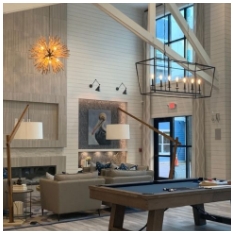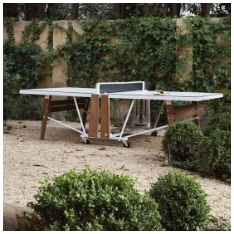
A table tennis court can be much more than a recreational feature. When planned carefully, it can become an elegant part of a luxury home, private villa, penthouse, hospitality lounge or office interior. The key is to ensure that the playing area feels connected to the overall design rather than looking like an afterthought.
Understanding how to integrate a table tennis court into luxury interiors involves balancing practical playing requirements with the room’s materials, lighting, furniture and visual character. A well-designed space should allow players to move comfortably while maintaining a refined and organised appearance.
Start With the Right Room Dimensions
Before selecting finishes or furniture, assess whether the available room can support comfortable play. A standard table tennis table measures 2.74 metres long and 1.525 metres wide. However, the table alone is not enough. Players need clear space around it for serves, returns and movement.
For a home setting, a room of approximately 6 metres by 4 metres can work for casual play. A larger area is preferable for regular use, especially when the room is intended for entertaining guests or hosting competitive matches. Ceiling height also matters, as a low ceiling can affect high shots and make the room feel confined.
Maintain Clear Circulation Space
Luxury interiors should never feel crowded. Leave sufficient clearance around the table so that people can walk through the room without disturbing a match. Avoid placing large sofas, side tables or decorative objects too close to the playing zone.
If the room serves more than one purpose, such as a family lounge or games room, create distinct circulation routes. This makes the space functional even when the table is in use.
Choose a Table That Complements the Interior
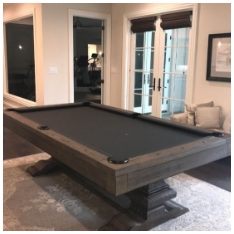
The table tennis table will be the focal point of the room, so its design should suit the interior style. A standard blue or green table may work well in a casual games room, but luxury settings often benefit from more refined options.
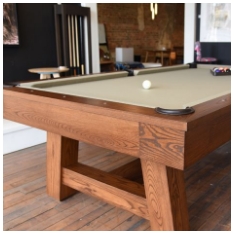
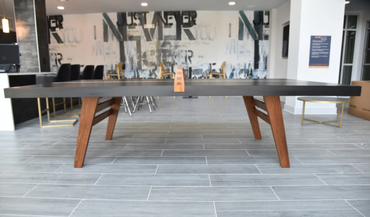
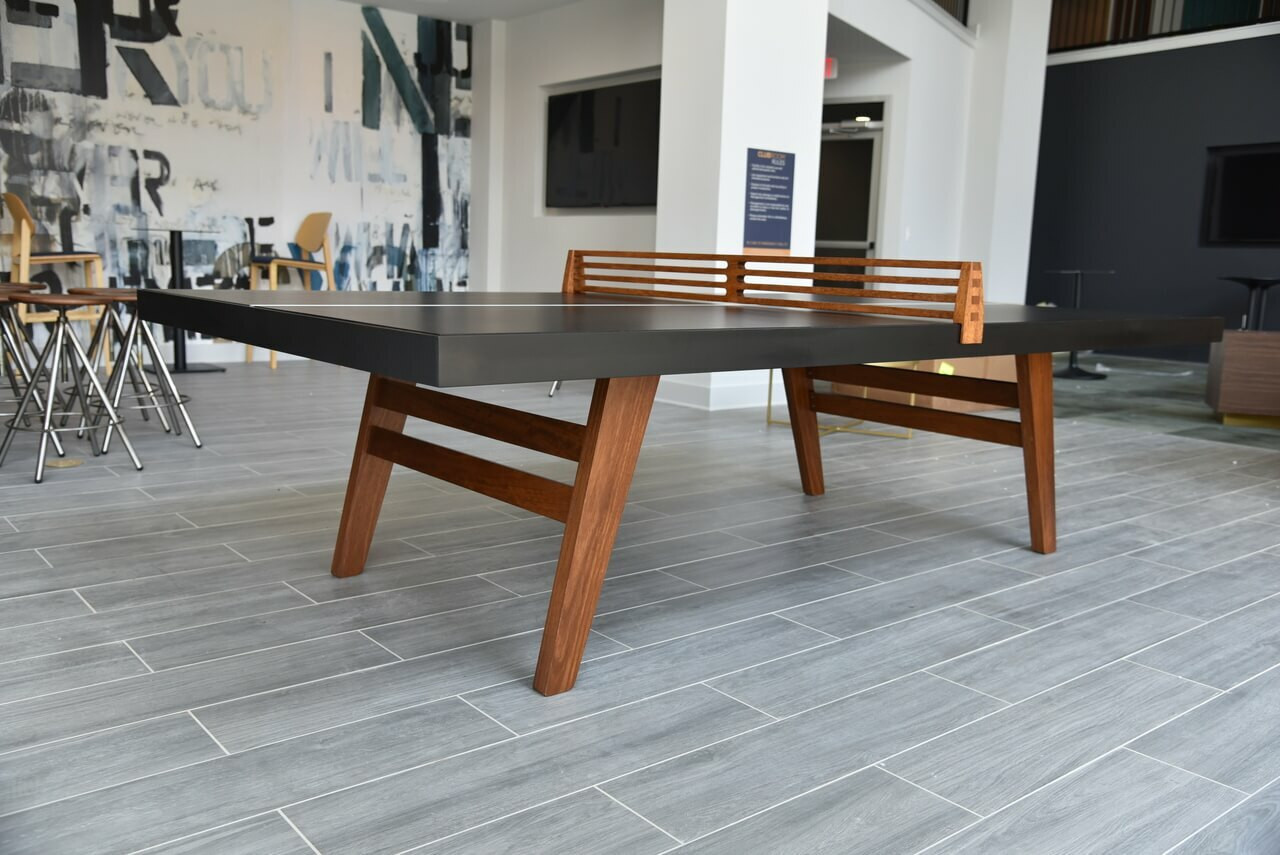
Look for tables with solid wood legs, metal detailing, matte finishes or custom colour palettes. Some premium tables are designed to resemble dining tables or sculptural furniture when not in use. These options are especially useful in compact apartments or multi-purpose spaces.
Consider a Convertible Table Tennis Table
A convertible table can function as a dining, meeting or display table when covered with a fitted top. This is a practical solution for residences where a dedicated sports room is not possible.
Choose a conversion top that matches the surrounding cabinetry, flooring or wall panelling. A seamless finish helps the room retain its premium look while allowing the table tennis court to be used whenever required.
Use Flooring That Supports Movement and Style
Flooring plays an important role in comfort, safety and visual appeal. The surface should provide adequate grip without being harsh underfoot. Polished marble may look luxurious, but it can be slippery and may create excessive glare under bright lights.
Engineered wood, high-quality vinyl, textured porcelain tiles and premium sports flooring are more suitable choices. Timber flooring can bring warmth to the room, while a muted stone-look finish can suit contemporary interiors.
For a more defined playing zone, use a subtle border in a contrasting shade or material. This can visually frame the court without adding bright markings that clash with the décor.
Plan Lighting for Play and Atmosphere
Lighting should support visibility without creating reflections on the table surface. Direct spotlights above the table may cause glare, making it difficult for players to track the ball. Instead, use evenly distributed ceiling lights, recessed fixtures or linear lighting that provides broad illumination.
Warm lighting can be used around the seating or bar area to create a relaxed atmosphere, while neutral white lighting is better over the playing zone. Installing separate controls allows the room to shift easily between game time and social gatherings.
Add Statement Fixtures Carefully
A pendant light or sculptural fixture can add character to the room, but it should be positioned outside the active playing area. Choose fixtures that do not hang too low or interfere with overhead shots.
Wall sconces, concealed cove lighting and illuminated wall panels can add depth without affecting the usability of the court.
Integrate Storage Into the Design
Table tennis accessories can quickly make a room look untidy if they are left out. Plan dedicated storage for bats, balls, nets, scoreboards and cleaning supplies.
Built-in cabinetry is an excellent option for luxury interiors. It can be finished in veneer, lacquer, fluted wood, glass or metal to match the rest of the room. A concealed drawer near the table makes it easy to access equipment without cluttering the space.
If the room includes a bar, media unit or display shelving, incorporate sports storage within the same joinery design. This keeps the table tennis court visually connected to the wider interior.
Create a Comfortable Social Setting
A table tennis court often becomes a gathering point, particularly in homes designed for entertaining. Add comfortable seating along one side of the room, ensuring it remains outside the playing area. Lounge chairs, a compact sofa or upholstered benches can provide a place for guests to watch and relax.
A small refreshment counter, minibar or coffee station can further enhance the room’s use. Keep the palette coordinated with the table, flooring and wall finishes for a cohesive appearance.
Use Art and Acoustics to Finish the Space
Large wall art, textured panels or framed sports photography can give the room personality without making it feel overly themed. Select artwork that reflects the home’s wider design language rather than relying only on table tennis imagery.
Sound control is also important, particularly in apartments or homes with open layouts. Acoustic wall panels, rugs outside the playing zone, upholstered seating and curtains can reduce the echo created by ball impacts and conversation.
Conclusion
Learning how to integrate a table tennis court into luxury interiors is about combining recreation with thoughtful design. With adequate space, carefully selected materials, balanced lighting and discreet storage, the court can become a refined feature of the home. The result is a space that supports active use while remaining polished, comfortable and aligned with the overall interior style.