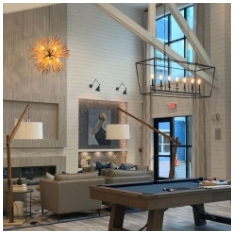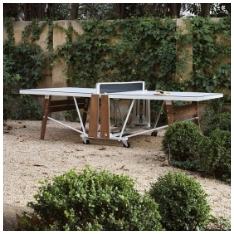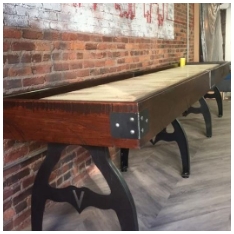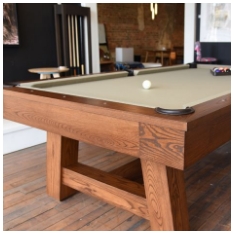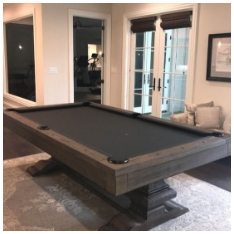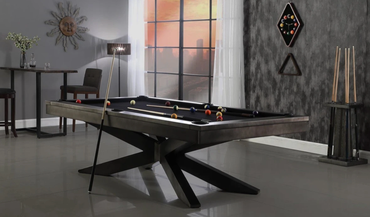
A pool table is more than a piece of gaming equipment. It can become an important feature of a recreation room, entertainment area, home bar or dedicated game room. Since pool tables are available in different finishes, colours and materials, selecting the right design is essential for creating a balanced interior. A well-chosen finish can complement your existing furniture, match your flooring and give the room a coordinated appearance.
Understanding How To Choose A Custom Pool Table Finish That Fits Your Room involves considering more than personal preference. You should also evaluate your interior design, available space, lighting, maintenance requirements and the overall atmosphere you want to create. With careful planning, you can select a pool table finish that combines visual appeal with long-term practicality.
Why Does Your Pool Table Finish Matter?
The finish of a pool table influences how it looks within your room. Since pool tables are often large and visually prominent, their appearance can affect the overall interior design.
For example, a dark wood finish can create a traditional and sophisticated appearance, while a lighter natural wood finish may suit contemporary or casual interiors. Painted finishes can introduce colour and provide a distinctive appearance.
A suitable finish also helps connect the pool table with other design elements, including cabinets, flooring, wall colours and seating arrangements.
How To Choose A Custom Pool Table Finish That Fits Your Room
Before selecting a finish, consider the following factors to ensure your pool table complements the room and meets your expectations.
- Consider Your Existing Interior Design
Start by identifying the overall style of your room. Your pool table should complement the furniture and decorative elements rather than appear disconnected from them.
- Traditional interiors: Dark walnut, mahogany and cherry finishes work well with classic furniture, detailed woodwork and warm colour schemes.
- Modern interiors: Black, white, grey and minimalist wood finishes complement clean lines and contemporary furniture.
- Rustic interiors: Natural oak, distressed wood and textured finishes suit rooms with exposed beams, stone features and earthy colours.
- Industrial interiors: Dark stained wood and matte black finishes can complement metal furniture, concrete surfaces and exposed brick walls.
Choosing a finish that matches your existing interior style helps create a consistent appearance.
- Match the Finish with Your Flooring
Flooring is one of the largest visual surfaces in a room, so its colour and material should influence your pool table selection.
If you have dark hardwood flooring, a lighter pool table finish can create contrast and prevent the room from looking too dark. Alternatively, matching similar wood tones can produce a coordinated and traditional appearance.
For lighter flooring, consider medium or dark finishes to make the pool table stand out. If your room has patterned carpet or decorative flooring, a simpler finish may help maintain visual balance.

- Select Colours That Complement Your Room
Colour selection is another important consideration when customising a pool table. Think about the existing wall colours, upholstery, curtains and decorative accessories.
Neutral finishes such as black, brown, grey and natural wood are versatile choices because they work with many interior styles.
If you want your pool table to become a focal point, consider a contrasting finish. For example, a dark table can stand out against light-coloured walls, while a natural oak finish can add warmth to a room with neutral furnishings.
Avoid introducing too many competing colours, as this can make the room feel visually crowded.
- Choose the Right Wood and Material
The material used in a pool table affects its appearance, durability and maintenance requirements.
Popular wood options include:
- Oak: Known for its distinctive grain and durability, oak suits traditional and contemporary interiors.
- Maple: Offers a relatively subtle grain pattern and works well with lighter finishes.
- Walnut: Provides rich brown tones that complement sophisticated interior designs.
- Mahogany: Features warm reddish-brown tones often associated with traditional furniture.
Depending on the manufacturer, custom finishes may also be available in painted, laminated or specialised surface options. Review available samples before making your final decision.
- Think About Lighting and Room Size
Lighting can change how a pool table finish appears. Dark finishes may look particularly rich under warm lighting, while lighter finishes can help create an open and airy appearance.
Consider both natural and artificial lighting when reviewing samples. A finish that looks attractive in a showroom may appear different under the lighting in your home.
Room size is equally important. In smaller spaces, lighter finishes may help maintain an open visual feel. Larger rooms provide more flexibility for darker finishes and detailed designs.
How to Maintain Your Custom Pool Table Finish
Once you have selected your finish, regular maintenance helps preserve its appearance.
Use a soft, clean cloth to remove dust from wooden surfaces. Avoid abrasive cleaning materials and harsh chemicals that could damage the protective coating. Follow the manufacturer's cleaning recommendations, particularly for specialised finishes.
Keep the table away from excessive moisture, direct sunlight and extreme temperature changes where possible. These conditions may affect wood surfaces over time.
Regular care helps maintain the finish and protects your investment.
Common Mistakes to Avoid When Selecting a Pool Table Finish
Avoid choosing a finish based only on showroom appearance. Always consider how it will look alongside your existing furniture and flooring.
Other common mistakes include overlooking maintenance requirements, ignoring room lighting, choosing colours that clash with the interior and failing to review actual material samples.
It is also important to consider the pool table's playing dimensions and surrounding clearance. A visually attractive table will not provide a comfortable playing experience if the room does not have enough space for cue movement.
Conclusion
Choosing the right custom pool table finish requires balancing interior design, material quality, color, lighting, and practical requirements. Whether you prefer traditional dark wood, natural oak, or a contemporary painted finish, your selection should complement the room while reflecting your personal style.
By reviewing material samples, considering existing furniture and evaluating maintenance needs, you can find a finish that suits your space. A thoughtfully selected custom pool table finish will help create an attractive, comfortable, and functional entertainment area for years to come.