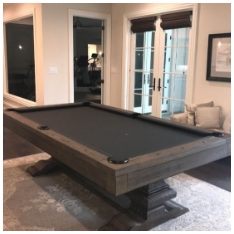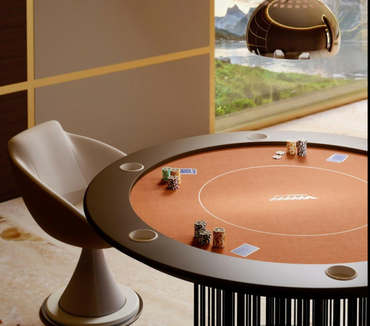
When setting up a home poker game or investing in a professional table, one common question arises: big is a poker table The size of a poker table impacts comfort, gameplay, and overall experience. Understanding the standard dimensions and configurations ensures that players can enjoy their games without feeling cramped or overcrowded. This comprehensive guide will provide all the essential information you need about poker table sizes and how to select the right one.
Standard Poker Table Sizes
Poker tables come in a variety of shapes and sizes, but most follow standard dimensions to accommodate players comfortably. Typically, poker tables are either oval or round, and each style affects seating capacity and table length.
Oval Poker Tables
Oval tables are the most common for both home and professional settings. They typically range from 84 inches to 108 inches in length and 42 to 54 inches in width. A table of this size can comfortably seat 8 to 10 players, allowing enough space for chips, cards, and drinks without crowding the players.
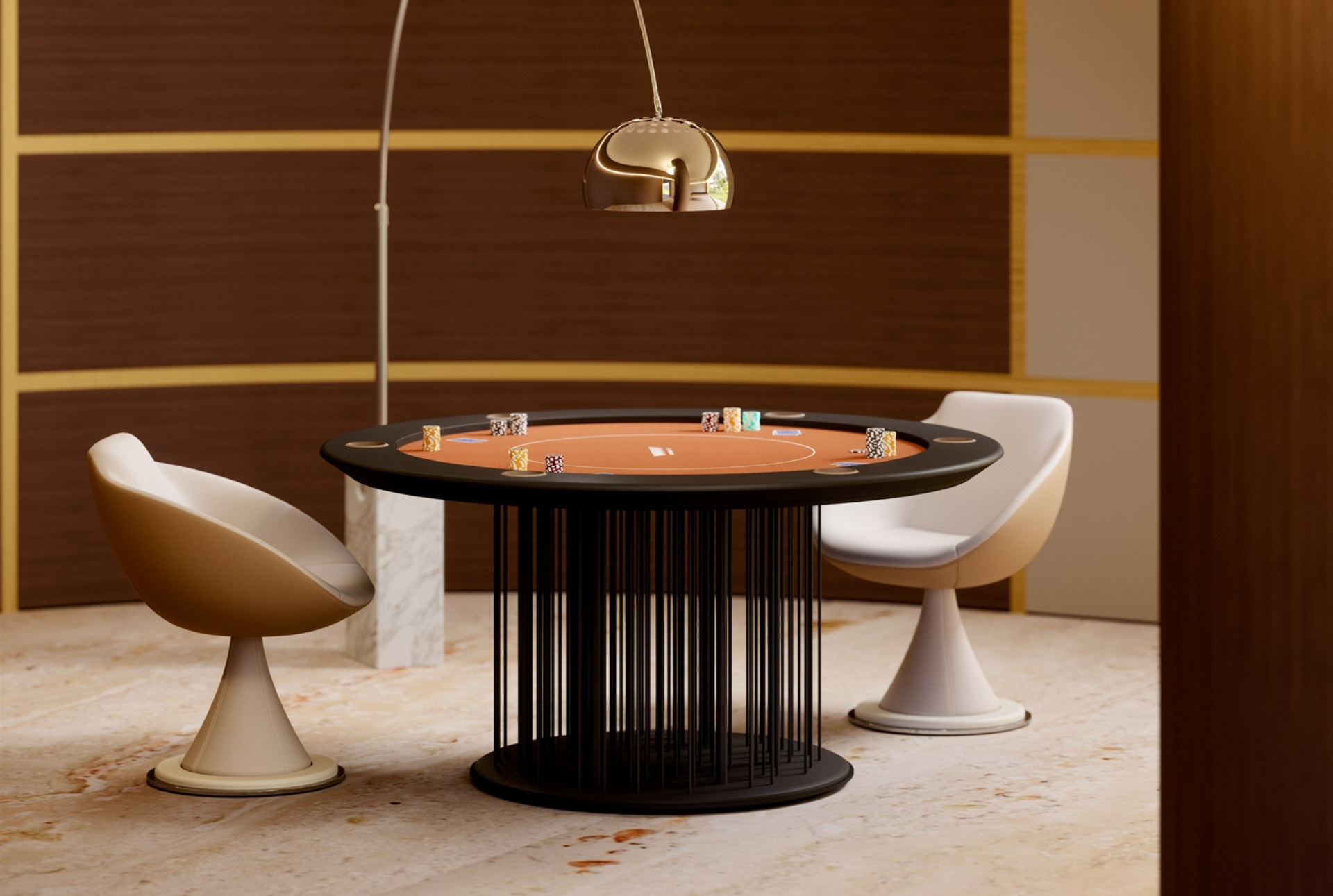
Round Poker Tables
Round tables are ideal for smaller games or casual settings. These tables usually have a diameter between 48 and 60 inches, fitting 5 to 7 players comfortably. While round tables provide a more intimate setting, they can limit seating for larger groups, making them less common for competitive or tournament-style play.

Seating Arrangements and Player Comfort
Knowing the size of a poker table is only part of the equation. Proper seating arrangements are equally important for comfort and gameplay efficiency. A standard poker table usually allows 24 to 30 inches per player, providing enough personal space for cards and chips.
For home setups, it is recommended to leave at least 36 inches of clearance around the table to allow players to move freely. In professional casinos, tables often include dealer zones and additional padding to enhance comfort and maintain smooth gameplay.
Choosing the Right Poker Table for Your Space
When selecting a poker table, it’s important to consider both size and shape. Here are some factors to guide your decision:
Room Size
Measure your available space carefully before purchasing a table. Remember to include space for chairs and movement. An 8-10 player table in a small room can feel cramped and hinder gameplay.
Player Count
Think about how many players typically join your games. If your sessions usually include fewer than six players, a smaller round table may be sufficient. For larger groups or tournament-style games, opt for a longer oval table.
Material and Build
Tables are made from various materials, including wood, MDF, and metal frames, often topped with felt or vinyl surfaces. Consider durability and ease of maintenance, especially if the table will see frequent use.
Additional Features to Consider
Modern poker tables often come with features designed to improve the playing experience. These may include:
- Cup Holders: Convenient for drinks without cluttering the table.
- Padded Railings: Offer extra comfort during long sessions.
- Removable Legs or Folding Options: Ideal for storage in smaller spaces.
- Chip Trays and Dealer Areas: Enhance organization and make gameplay smoother.
These features may slightly impact overall dimensions, so it’s wise to factor them into your size considerations.
Tips for Home Poker Enthusiasts
For home players, maximizing space and comfort is key. Here are a few tips:
- Use a Tablecloth or Felt Surface: This prevents chips and cards from slipping and adds a professional feel.
- Maintain Clear Walkways: Ensure there is at least 3 feet of space around the table for chairs and movement.
- Consider Folding Tables: If your space doubles as a living area, a foldable poker table can provide flexibility.
- Invest in Quality Seating: Comfortable chairs prevent fatigue and allow players to focus on the game.
Conclusion
Understanding How Big Is a Poker Table A Comprehensive Guide is essential for both home players and casino operators. Table size, shape, seating arrangements, and additional features all influence comfort and gameplay. Whether you’re hosting casual poker nights or setting up a competitive environment, choosing the right table ensures everyone enjoys a smooth, engaging experience.
By keeping these guidelines in mind, you can select a table that fits your space, accommodates your players, and enhances every hand dealt.