A foosball table can be an enjoyable addition to a home games room, office breakout area, clubhouse or entertainment lounge. It encourages quick, social games and can suit players of different ages and skill levels. However, choosing the right table requires more consideration than simply selecting a design that looks attractive.
A full sized foosball table is built for comfortable play, better stability and long-term use. It generally offers a more authentic playing experience than compact or foldable models. Before making a purchase, it is important to understand the table’s dimensions, materials, rods, playing surface and space requirements.
This guide explains what to look for when selecting a full-sized foosball table: What to know before you buy. can help you choose a table that suits your room, budget and intended use.
Understand Full-Sized Foosball Table Dimensions
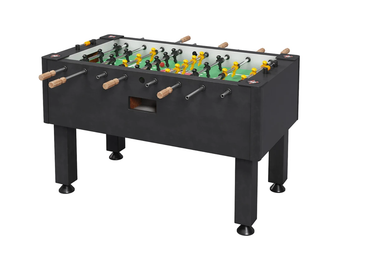
A standard full-sized foosball table is typically around 56 inches long, 30 inches wide and 36 inches high. These dimensions are designed to provide a comfortable playing height for most adults and enough room for proper rod movement.
The size of the table does not represent the total space required. Players need room on both sides to stand, move and operate the rods. Ideally, allow at least 3 to 4 feet of clearance around the table. This prevents the area from feeling cramped and makes play safer and more enjoyable.
Measure the Available Room
Before ordering a table, measure the exact area where it will be placed. Consider nearby walls, furniture, doors and walkways. A full-sized model may fit physically into the room but still feel difficult to use if there is not enough clearance for the rods.
If the foosball table will be placed in a multi-purpose room, keep it away from high-traffic pathways. This reduces interruptions during a game and protects the table from accidental knocks.

Check the Table’s Frame and Cabinet Construction
The strength of the frame is one of the most important indicators of quality. A full-sized foosball table should have a sturdy cabinet that does not shift or vibrate during active play. Lightweight tables are easier to move, but they may become unstable when players apply pressure to the rods.
Tables with thick MDF, composite wood or solid wood cabinets generally provide better stability. For frequent use, look for reinforced corners and strong leg supports. Metal crossbars between the legs can add further strength and reduce wobbling.
Choose Adjustable Legs
Uneven flooring can affect the way the ball moves across the playing surface. Adjustable leg levellers allow you to set the table at the correct height and keep the surface level.
This feature is particularly useful in homes with tiled, wooden or slightly uneven floors. It also helps maintain fair play, as the ball should not roll in one direction due to an unbalanced table.
Evaluate the Rods and Handles
Foosball rods receive constant movement and should be durable enough to withstand regular play. Solid steel rods are generally more reliable than hollow or lightweight alternatives. However, hollow steel rods can be easier to handle and allow quicker shots for experienced players.
Look for rods that move smoothly through the table bearings. Poor bearings can make the rods stiff, noisy or difficult to control. High-quality bearings help maintain fluid movement and reduce wear over time.
Consider Handle Grip and Player Control
The handles should be comfortable to hold and provide a secure grip. Plastic handles are common, but rubberised or textured handles may offer better control during fast games.
Also check how the player figures are attached to the rods. Individually moulded or securely fastened players are less likely to loosen during use. Poorly fitted figures can affect ball control and may need frequent repairs.
Review the Playing Surface and Ball Return
The playing surface affects how quickly and predictably the ball moves. A smooth laminate surface is common and easy to maintain. Some tables have textured surfaces designed to slow the ball slightly and improve control.
Choose a surface that suits the type of play you prefer. Faster surfaces can make games more competitive, while slightly textured surfaces may be better for beginners and family use.
A convenient ball return is another practical feature. Side ball returns are easy to access and help games continue without interruption. Make sure the opening is smooth and large enough for the ball to pass through easily.
Decide Between Home and Commercial Use
Consider how often the table will be used and who will use it. A table for occasional family games may not require the same level of construction as one installed in an office, café, club or shared lounge.
Commercial-grade tables are usually heavier and built with stronger cabinets, rods and legs. They may cost more initially, but they are more suited to frequent use and can require fewer repairs over time.
Consider Safety for Children
If children will use the table, check that it has stable legs, rounded corners and well-secured rods. Telescopic rods are a useful safety feature because they do not extend through the opposite side of the table. This reduces the risk of a child being struck by a rod during play.
Adult supervision is still advisable for younger children, particularly when the table is being used by several players.
Think About Style and Maintenance
A foosball table should suit the look of the room where it will be placed. Traditional wood-grain finishes can work well in classic games rooms, while black, white or grey tables may suit modern interiors. Choose a design that complements the surrounding furniture without making the room feel overcrowded.
Regular maintenance will help extend the table’s life. Wipe the playing surface and rods with a soft cloth, remove dust from the corners and check screws periodically. Lubricate the rods only with a product recommended for foosball tables, as unsuitable oils can attract dust and affect movement.
Conclusion
Buying a full-sized foosball table is an investment in long-term entertainment. Focus on stable construction, smooth rods, a level playing surface, sufficient room clearance and a design that suits your space. By comparing these features before purchase, you can select a table that provides reliable performance and enjoyable games for years to come.